Dietary Cholesterol vs. Blood Cholesterol: Do Eggs Really Raise Cholesterol?
For years, cholesterol was explained in a very simple way: eat cholesterol, raise cholesterol. Because of that, foods like eggs, shrimp, and red meat were often blamed directly for high cholesterol levels.
But the conversation has become more nuanced.
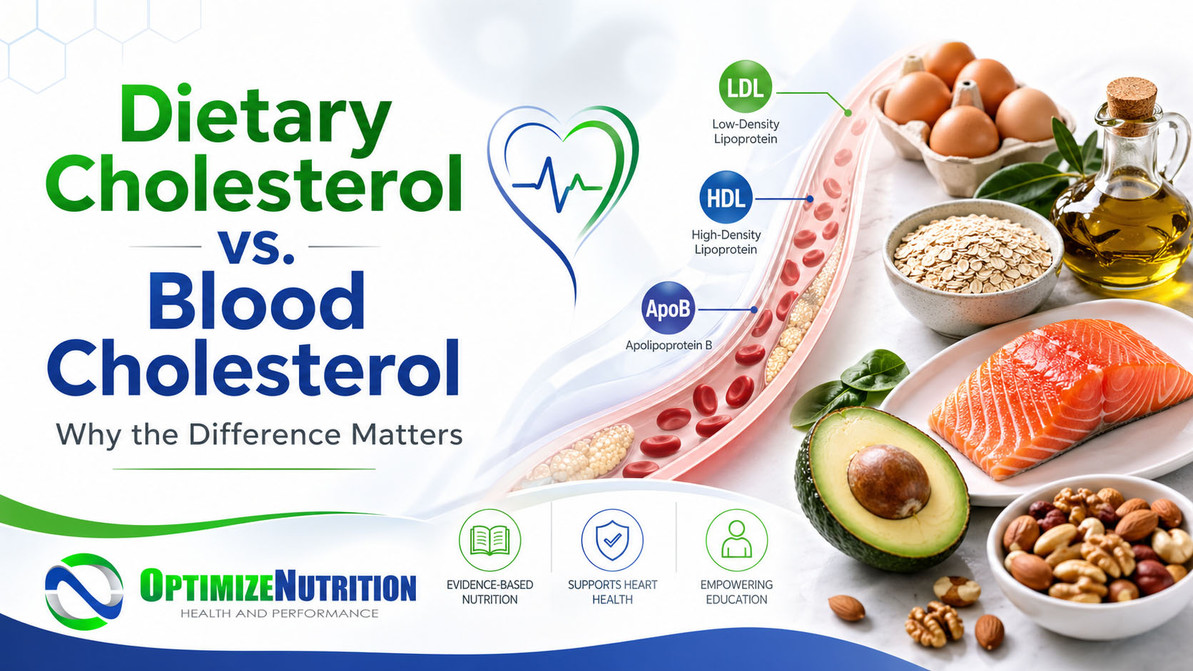
In a Huberman Lab discussion with Dr. Peter Attia, cholesterol is discussed in a more detailed way, especially around the difference between dietary cholesterol and blood cholesterol. The key point is that dietary cholesterol may have a smaller effect on blood cholesterol for many people than once believed, while other factors—especially saturated fat intake, genetics, insulin resistance, metabolic health, and overall lifestyle—can play a much larger role. Huberman Lab’s cardiovascular health page also highlights cholesterol and ApoB as important topics in cardiovascular risk monitoring.
What Is Dietary Cholesterol?
Dietary cholesterol is the cholesterol found naturally in animal-based foods such as:
- Eggs
- Meat
- Poultry
- Fish and seafood
- Full-fat dairy products
- Butter
- Cheese
Cholesterol itself is not “bad.” The body needs cholesterol to make cell membranes, vitamin D, bile acids, and hormones. In fact, your liver produces cholesterol every day because it is essential for normal function.
The confusion comes from assuming that eating cholesterol automatically means cholesterol in the blood will rise dramatically. For many people, that is not necessarily how it works.
What Is Blood Cholesterol?
Blood cholesterol refers to cholesterol and other fats being transported through your bloodstream by lipoproteins. These include:
- LDL cholesterol
- HDL cholesterol
- VLDL
- Triglyceride-rich particles
- ApoB-containing particles
LDL cholesterol is often called “bad cholesterol,” while HDL is often called “good cholesterol,” but even that is an oversimplification. More advanced discussions around heart health often look at markers like ApoB, which reflects the number of certain cholesterol-carrying particles that may contribute to plaque buildup in arteries. Huberman Lab’s cholesterol-related summaries emphasize the importance of looking beyond total cholesterol alone and considering markers such as LDL, ApoB, and metabolic health.
Does Eating Cholesterol Raise Blood Cholesterol?
For many people, dietary cholesterol does not have as large of an effect on blood cholesterol as once believed. That means foods like eggs may not be the main reason someone’s LDL cholesterol is elevated.
This does not mean dietary cholesterol has zero effect on everyone. Some people are more responsive to dietary cholesterol than others. Genetics, gut health, liver function, insulin sensitivity, body composition, and overall diet quality can all influence how someone responds.
A more accurate takeaway is this:
Dietary cholesterol may not be the main driver of high blood cholesterol for many people, but your overall diet and lifestyle still matter.
Saturated Fat May Matter More for LDL
One of the key points from the Huberman Lab discussion with Dr. Peter Attia is that saturated fat can raise LDL cholesterol in many individuals, even when dietary cholesterol itself has a smaller impact. Huberman Lab’s cholesterol clips and summaries make this distinction clearly: saturated fat and cholesterol are different molecules, and they do not affect everyone the same way.
Foods higher in saturated fat include:
- Butter
- Cream
- High-fat dairy
- Fatty cuts of meat
- Processed meats
- Coconut oil
- Palm oil
- Many fried or ultra-processed foods
This does not mean everyone needs to completely avoid saturated fat, but if LDL cholesterol or ApoB is elevated, reducing saturated fat intake is often one of the first nutrition strategies worth considering.
Why Eggs Are Often Misunderstood
Eggs are one of the most common foods people worry about when discussing cholesterol. They do contain dietary cholesterol, but they also provide protein, choline, B vitamins, selenium, and other nutrients.
For many healthy people, moderate egg intake may fit into a balanced diet. However, the bigger picture matters.
For example, there is a difference between:
- Eggs with vegetables and whole-grain toast
- Eggs cooked in butter with bacon and processed hash browns
- Eggs as part of a high-fibre, active lifestyle
- Eggs as part of a low-fibre, high-saturated-fat, highly processed diet
The food pattern around the eggs often matters just as much as the eggs themselves.
Other Factors That Can Affect Cholesterol
Cholesterol is not only about one food. Blood cholesterol and cardiovascular risk are influenced by many factors, including:
1. Genetics
Some people naturally produce or retain more LDL cholesterol due to genetics. Familial hypercholesterolemia is one example where cholesterol can be high even in people with healthy lifestyles.
2. Insulin Resistance
Poor blood sugar control and insulin resistance can contribute to higher triglycerides, lower HDL, fatty liver, and a more concerning cardiovascular risk profile.
3. Low Fibre Intake
Soluble fibre can help support healthy cholesterol levels by binding bile acids in the digestive tract. Foods like oats, beans, lentils, chia seeds, flaxseed, apples, and psyllium are especially useful.
4. Excess Ultra-Processed Foods
Highly processed foods are often low in fibre and high in refined carbohydrates, inflammatory fats, sodium, and excess calories. These can negatively affect metabolic health over time.
5. Lack of Exercise
Cardiovascular exercise and resistance training both support heart health, insulin sensitivity, body composition, and healthy blood lipid patterns.
6. Poor Sleep and High Stress
Sleep deprivation and chronic stress can affect blood sugar regulation, appetite, inflammation, blood pressure, and overall metabolic function.
What About ApoB?
ApoB is becoming a more commonly discussed marker in cardiovascular health. While LDL cholesterol measures the amount of cholesterol inside LDL particles, ApoB gives a better sense of the number of atherogenic particles in circulation.
This matters because more ApoB-containing particles may mean more opportunity for those particles to enter the artery wall and contribute to plaque buildup over time.
For anyone concerned about cholesterol, it may be worth discussing ApoB testing with a qualified healthcare provider, especially if there is a family history of heart disease, high LDL, high triglycerides, insulin resistance, or other cardiovascular risk factors.
Nutrition Strategies That May Support Healthy Cholesterol
Here are some practical, food-first strategies that may help support a healthier cholesterol profile:
- Increase soluble fibre from oats, legumes, chia, flax, vegetables, and psyllium
- Replace some saturated fats with olive oil, avocado, nuts, seeds, and fatty fish
- Eat enough protein to support muscle and metabolic health
- Reduce ultra-processed foods and refined carbohydrates
- Include omega-3-rich foods such as salmon, sardines, trout, or mackerel
- Prioritize whole foods most of the time
- Support healthy body composition through strength training and regular movement
- Limit excessive alcohol intake
- Improve sleep quality and stress management
Supplements That May Support Cholesterol and Heart Health
Supplements should not replace proper nutrition, exercise, or medical care, but some may be useful as part of a broader plan.
Common options people ask about include:
Omega-3 Fish Oil
Omega-3s, especially EPA and DHA, are commonly used to support heart health and healthy triglyceride levels.
Fibre Supplements
Psyllium husk is one of the most practical options for supporting healthy cholesterol levels, especially for people who struggle to get enough fibre from food.
Magnesium
Magnesium supports many areas of cardiovascular and metabolic health, including blood pressure regulation, muscle function, and glucose metabolism.
CoQ10
CoQ10 is often discussed for heart health and is commonly used by people taking statin medications, although anyone on medication should speak with their healthcare provider first.
The Bottom Line
The old idea that eating cholesterol automatically causes high blood cholesterol is too simplistic.
For many people, dietary cholesterol—such as the cholesterol found in eggs—may not be the biggest driver of blood cholesterol. Saturated fat intake, genetics, insulin resistance, fibre intake, body composition, exercise, sleep, and overall metabolic health may play a much larger role.
The better question is not simply, “Do eggs raise cholesterol?”
A better question is:
What does your overall diet, lifestyle, bloodwork, and metabolic health look like?
At Optimize Nutrition, we believe health should be approached with context. Cholesterol is not just about one food or one number on a lab report. It is about understanding the bigger picture and making practical changes that support long-term health.
Disclaimer
This article is for educational purposes only and is not intended to diagnose, treat, cure, or prevent any disease. Always speak with a qualified healthcare provider before making major changes to your diet, supplements, or medications, especially if you have high cholesterol, cardiovascular disease, diabetes, or a family history of heart disease.
Recent Posts
-

Meet Rise Nutrition: Real-Food Nutrition, Kept Simple
Meet Rise Nutrition: Real-Food Nutrition, Kept Simple We’re excited to welcome Rise Nutrition to Opt …Sep 15, 2026 -

Study Smarter This Semester: Back-to-School Tips for Focus, Memory & Mental Energy
University can be demanding on the brain. Long lectures, heavy reading loads, assignments, exams, pa …Sep 04, 2026 -
When Your Gut Isn’t the Root Problem: How Stress and the Nervous System Can Drive Digestive Symptoms
Bloating. Cramping. Constipation. Diarrhea. Nausea. Reflux. Urgency. Feeling like foods you used to …Sep 03, 2026