
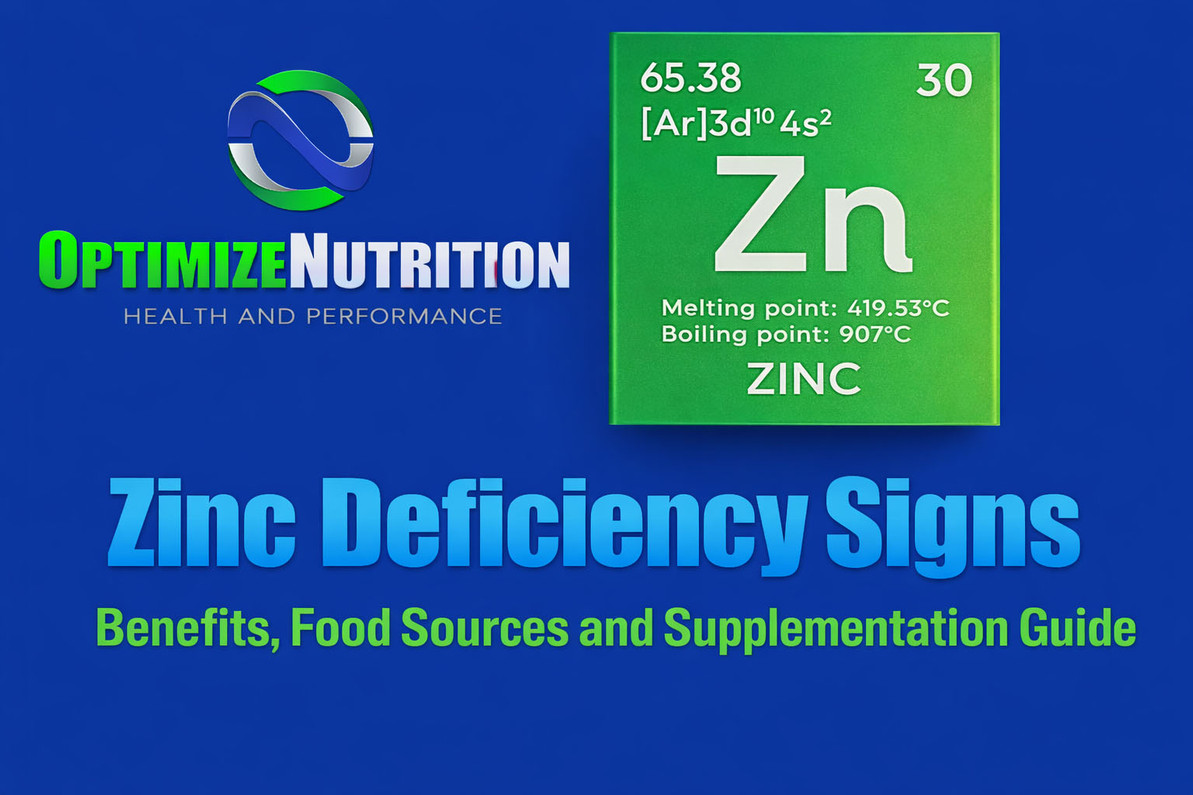
Zinc Deficiency Signs: Benefits, Food Sources and Supplementation Guide
Zinc does not always get the same attention as magnesium, vitamin D, or omega-3s, but it plays a major role in everyday health. This essential mineral is involved in immune function, skin health, wound healing, hormone production, growth, protein synthesis, DNA formation, and even your senses of taste and smell. Your body does not have a specialized storage system for zinc, so regular intake through food or supplementation matters.
For some people, low zinc intake or poor absorption can quietly contribute to recurring colds, slow recovery, skin issues, low appetite, poor wound healing, and other vague symptoms that are easy to overlook. While severe zinc deficiency is less common, marginal intake may be more relevant than many people realize, especially in those with restrictive diets, digestive issues, high physical stress, or increased nutritional demands.
What Zinc Does in the Body
Zinc is involved in hundreds of enzyme reactions and supports a wide range of functions throughout the body. It is especially important for:
- Healthy immune system function
- DNA and protein synthesis
- Tissue repair and wound healing
- Normal growth and development
- Skin integrity
- Reproductive health and hormone support
- Proper sense of taste and smell
- Normal metabolism and cellular function
Zinc is found in cells throughout the body and is needed for the immune system to function properly. It also helps the body make proteins and DNA, supports normal growth and development, and plays an important role in wound healing and sensory function.
Signs You May Be Low in Zinc
Zinc deficiency can show up in different ways, and some signs are fairly non-specific. Common signs and symptoms may include:
- Getting sick often or frequent infections
- Slow wound healing
- Poor appetite
- Reduced sense of taste or smell
- Hair thinning or hair loss
- Skin issues or rough, irritated skin
- Low energy
- Poor growth or development in children and teens
- Night vision issues in more significant deficiency
- In men, low zinc status may also be associated with reproductive and hormone-related issues
These symptoms can have many possible causes, so zinc deficiency should not be self-diagnosed based on one sign alone. Still, when several of these show up together, zinc status is worth considering.
Who May Be More Likely to Need More Zinc
Some people are more likely to have low zinc intake, poor absorption, or increased requirements. This can include:
- People who eat little or no red meat or shellfish
- Vegetarians and vegans
- People with digestive issues or malabsorption
- Older adults
- People under high physical stress or intense training loads
- Individuals with poor appetite or low-calorie diets
- Pregnant and breastfeeding women
- Those eating diets high in phytates from grains and legumes without enough zinc-rich foods
Animal foods tend to provide zinc in a form that is absorbed more efficiently, while zinc from beans, nuts, and whole grains is useful but less bioavailable because compounds such as phytates can reduce absorption.
Best Food Sources of Zinc
Food should usually be the first place to look. Some of the best dietary sources of zinc include:
- Oysters
- Red meat
- Poultry
- Fish and seafood
- Eggs
- Dairy products
- Beans and lentils
- Pumpkin seeds and other seeds
- Nuts
- Whole grains
- Fortified cereals
Oysters are especially rich in zinc. Meat, fish, eggs, and dairy are also strong sources. Plant foods can contribute meaningful amounts, but absorption is generally lower than from animal-based foods.
How Much Zinc Do You Need?
For adults, the recommended dietary allowance is 11mg per day for men and 8mg per day for women. Needs increase during pregnancy and breastfeeding. The tolerable upper intake level for adults is 50mg per day from food and supplements combined unless otherwise directed by a healthcare professional.
When Supplementation May Be Worth Considering
Supplementation can make sense when:
- Diet is low in zinc-rich foods
- You follow a vegetarian or vegan diet
- You suspect low intake over time
- You are dealing with higher physical demands
- You have poor appetite or limited food variety
- You are trying to support immune resilience during times of increased stress
- You have been advised by a practitioner to increase intake
Zinc supplements commonly come in forms such as zinc citrate, zinc picolinate, zinc gluconate, and zinc bisglycinate. Many people tolerate chelated forms well, and they are often chosen for everyday use. Practical daily supplement amounts often range from 10 to 25 mg depending on the person, diet, and goal.
Tips for Taking Zinc
To get the most out of zinc supplementation:
- Not to be taken on a fully empty stomach, likely to cause nausea
- Avoid taking high-dose zinc long term unless professionally guided
- Be mindful that zinc can interact with iron, copper, and some medications
- Do not assume more is better
One of the biggest mistakes with zinc is overdoing it. Long-term high intake can interfere with copper status and potentially create new imbalances. That is why zinc works best when used thoughtfully rather than aggressively.
Food First, Supplements When Needed
For many people, a zinc-focused diet is enough. For others, supplementation can be a practical tool, especially when intake is inconsistent or needs are higher. The key is to look at the whole picture: diet quality, digestion, stress, activity level, and symptoms.
Zinc may not be the flashiest nutrient, but it is one of the most important minerals for foundational health. If you have been dealing with frequent illness, slow recovery, skin issues, low appetite, or changes in taste and smell, zinc deserves a closer look.
Disclaimer
This article is for educational purposes only and is not intended to diagnose, treat, cure, or prevent any disease. Always consult with a qualified healthcare practitioner before starting any new supplement, especially if you are pregnant, breastfeeding, taking medications, or managing a medical condition.
Recent Posts
-
Meet Rise Nutrition: Real-Food Nutrition, Kept Simple
Meet Rise Nutrition: Real-Food Nutrition, Kept Simple We’re excited to welcome Rise Nutrition to Opt …Sep 15, 2026 -

Study Smarter This Semester: Back-to-School Tips for Focus, Memory & Mental Energy
University can be demanding on the brain. Long lectures, heavy reading loads, assignments, exams, pa …Sep 04, 2026 -
When Your Gut Isn’t the Root Problem: How Stress and the Nervous System Can Drive Digestive Symptoms
Bloating. Cramping. Constipation. Diarrhea. Nausea. Reflux. Urgency. Feeling like foods you used to …Sep 03, 2026