
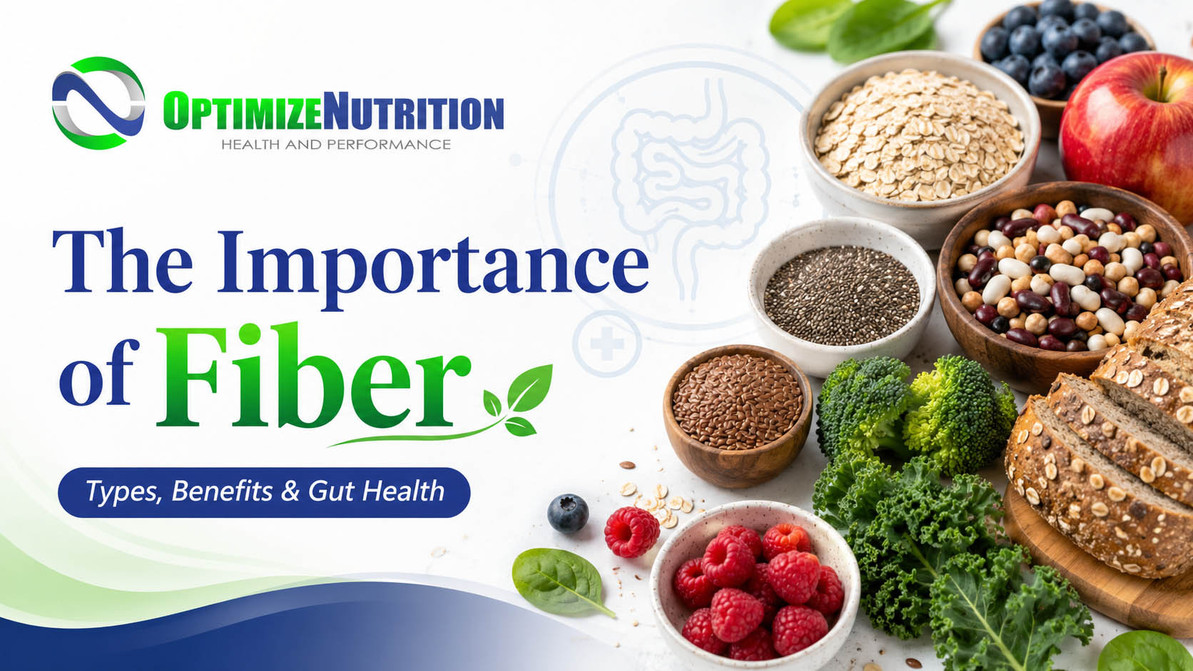
The Importance of Fiber: Why This “Basic” Nutrient Matters More Than Most People Realize
Fiber is one of the most overlooked nutrients in modern diets. Most people think of it only as something that helps with regular bowel movements, but fiber does much more than that. It supports digestion, gut bacteria, blood sugar balance, cholesterol levels, appetite regulation, metabolic health, and overall long-term wellness.
In Canada, adult women are generally advised to get about 25 grams of fiber per day, while adult men are advised to get about 38 grams per day. Health Canada notes that most Canadians are only getting about half of that amount.
That gap matters because newer research continues to connect higher dietary fiber intake with better outcomes for cardiovascular health, type 2 diabetes risk, digestive health, body weight, gut microbiome diversity, and overall disease risk. A 2025 review in Clinical Nutrition concluded that higher fiber intake is associated with lower risk of several chronic diseases, especially cardiovascular disease mortality, diverticular disease, and pancreatic cancer.
What Is Fiber?
Fiber is a type of carbohydrate found in plant foods that the body cannot fully digest. Unlike sugar or starch, fiber is not broken down and absorbed in the same way. Instead, it passes through the digestive system, where it can help add bulk, slow digestion, feed beneficial gut bacteria, and support healthy elimination.
Fiber is naturally found in foods like:
- Vegetables
- Fruit
- Beans and lentils
- Whole grains
- Nuts and seeds
- Psyllium husk
- Oats
- Chia seeds
- Flaxseed
- Root vegetables
- Resistant starch foods such as cooked and cooled potatoes, rice, and legumes
The key point is that not all fiber works the same way. Different types of fiber have different effects in the body.
The Main Types of Fiber
1. Soluble Fiber
Soluble fiber dissolves in water and forms a gel-like texture in the digestive tract. This slows digestion and can help support steadier blood sugar levels, healthy cholesterol levels, and better appetite control.
Common sources of soluble fiber include:
- Oats
- Barley
- Apples
- Citrus fruits
- Beans
- Lentils
- Psyllium husk
- Chia seeds
- Flaxseed
- Some vegetables
Soluble fiber is especially known for its role in heart health and metabolic health. Mayo Clinic notes that soluble fiber may slow sugar absorption and help improve blood sugar levels, particularly in people managing blood sugar concerns.
Psyllium husk is one of the most well-known supplemental sources of soluble fiber. It is often used to support regularity, stool consistency, cholesterol management, and general digestive health.
2. Insoluble Fiber
Insoluble fiber does not dissolve in water. Instead, it adds bulk to stool and helps food move through the digestive tract more efficiently.
Common sources of insoluble fiber include:
- Wheat bran
- Whole grains
- Vegetable skins
- Leafy greens
- Carrots
- Cucumbers
- Seeds
- Nuts
- Brown rice
- Some fruits and vegetables
This type of fiber is especially useful for supporting bowel regularity and helping prevent sluggish digestion. Harvard Health explains that insoluble fiber adds bulk to stool, while soluble fiber forms a gel and helps soften stool. Both types are important.
3. Resistant Starch
Resistant starch is a type of carbohydrate that “resists” digestion in the small intestine and acts more like fiber. It travels to the colon, where it can be fermented by gut bacteria.
Sources of resistant starch include:
- Cooked and cooled potatoes
- Cooked and cooled rice
- Cooked and cooled pasta
- Green bananas
- Beans
- Lentils
- Oats
- Some whole grains
Harvard’s Nutrition Source describes resistant starch as a soluble, fermentable fiber that can act as a prebiotic and may help support blood sugar and cholesterol levels.
This is one reason why foods like lentils, beans, and cooled starches are often discussed in gut health and metabolic health conversations.
4. Prebiotic Fiber
Prebiotic fiber refers to fibers that feed beneficial gut bacteria. When gut bacteria ferment certain fibers, they produce compounds called short-chain fatty acids, including butyrate, acetate, and propionate.
These short-chain fatty acids are important because they help nourish cells in the colon, support gut barrier function, and play a role in immune and metabolic signaling. A 2019 review in Advances in Nutrition explains that short-chain fatty acids produced from fermentation can serve as an energy source for colon cells and have several important physiological effects.
Common prebiotic fibers include:
- Inulin
- Fructooligosaccharides
- Galactooligosaccharides
- Partially hydrolyzed guar gum
- Resistant starch
- Pectin
- Beta-glucans
- Some fibers found in onions, garlic, asparagus, bananas, oats, legumes, and apples
A 2025 review on dietary fiber and the gut microbiome notes that many dietary fibers are fermented by gut microbes, which can influence gut microbial ecology and metabolism in ways that affect human health.
Why Fiber Is So Important
1. Fiber Supports a Healthy Gut Microbiome
Your gut microbiome is made up of trillions of bacteria and other microorganisms that help influence digestion, immune function, nutrient metabolism, inflammation, and overall health.
Fiber is one of the main food sources for beneficial gut bacteria. Without enough fiber, many helpful bacteria do not have the fuel they need to thrive.
This is why many functional medicine practitioners and nutrition-focused doctors emphasize fiber as a foundational gut health tool. Dr. Mark Hyman has recently discussed fiber as one of the most important nutrition upgrades many people can make, while also noting that people with IBS, SIBO, or FODMAP sensitivity may need a slower and more personalized approach.
Dr. Michael Greger has also frequently discussed the importance of fiber for feeding gut bacteria and supporting short-chain fatty acid production. NutritionFacts.org summarizes short-chain fatty acids as compounds that support colon health, mineral absorption, appetite signaling, and inflammatory balance.
2. Fiber Helps Support Regular Digestion
This is the most obvious benefit, but still one of the most important. Fiber helps support healthy bowel movements by adding bulk, improving stool consistency, and helping waste move through the digestive tract.
Soluble fiber can help soften stool and improve stool form, while insoluble fiber helps stimulate movement and adds bulk.
For people dealing with occasional constipation, low fiber intake is often one of the first dietary factors worth looking at. Hydration matters too, because fiber works best when fluid intake is adequate.
3. Fiber Supports Blood Sugar Balance
High-fiber meals tend to digest more slowly. This can help reduce sharp blood sugar spikes after eating, especially when fiber is paired with protein and healthy fats.
Soluble fiber is especially helpful here because it forms a gel-like texture that slows digestion and carbohydrate absorption. Mayo Clinic notes that fiber, especially soluble fiber, may slow sugar absorption and help improve blood sugar levels.
This does not mean fiber replaces medical care for blood sugar conditions, but it is a major foundational nutrition strategy for metabolic health.
4. Fiber Supports Healthy Cholesterol Levels
Soluble fiber, especially from foods like oats, barley, beans, lentils, and psyllium, can help support healthy cholesterol levels.
This happens partly because soluble fiber can bind with bile acids in the digestive tract. The body then uses cholesterol to make more bile acids, which can help support healthier blood lipid patterns over time.
The American Heart Association continues to recommend eating patterns rich in vegetables, fruits, whole grains, legumes, nuts, and seeds as part of cardiovascular health guidance.
5. Fiber Helps With Appetite and Weight Management
Fiber-rich foods tend to be more filling. They add volume to meals, slow digestion, and help people feel satisfied longer.
This is one reason whole-food carbohydrates like lentils, beans, oats, berries, vegetables, and whole grains affect the body very differently than refined, low-fiber carbohydrates.
Fiber is not a “weight loss hack,” but it is one of the most useful tools for building meals that are more filling and metabolically supportive.
6. Fiber May Support Long-Term Disease Risk Reduction
Higher fiber intake has been linked with reduced risk of several chronic diseases. A 2024 review in Nutrients discussed fiber’s role in cardiovascular disease, type 2 diabetes, digestive conditions, and gut microbiome-related health outcomes.
A 2025 review in Clinical Nutrition also concluded that higher dietary fiber intake is associated with lower risk of multiple chronic diseases, while noting that fiber intake remains below recommended levels worldwide.
The takeaway is simple: fiber is not just about digestion. It is part of a long-term health foundation.
Food First: Best High-Fiber Foods to Add More Often
A food-first approach is usually best because high-fiber foods also contain vitamins, minerals, antioxidants, polyphenols, and other beneficial compounds.
Some of the best high-fiber options include:
- Beans and lentils
- Chickpeas
- Oats
- Barley
- Berries
- Apples and pears
- Avocado
- Broccoli
- Brussels sprouts
- Carrots
- Sweet potatoes
- Ground flaxseed
- Chia seeds
- Pumpkin seeds
- Psyllium husk
- Whole grains
- Cooked and cooled potatoes or rice
- Leafy greens
- Nuts and seeds
A good practical goal is to include fiber at each meal rather than trying to get it all at once.
What About Fiber Supplements?
Fiber supplements can be useful when someone struggles to get enough fiber from food alone. They can also be helpful when someone wants a more targeted form of fiber, such as psyllium husk for regularity or soluble fiber support.
Common fiber supplement types include:
- Psyllium husk
- Inulin
- Acacia fiber
- Partially hydrolyzed guar gum
- Apple pectin
- Ground flaxseed
- Chia fiber
- Resistant starch powders
- Greens or superfood blends with fiber
However, fiber supplements should not replace a poor diet. They work best when used alongside a whole-food eating pattern that includes vegetables, fruits, legumes, nuts, seeds, and whole grains.
Why Some People Feel Worse When They Add Fiber
Fiber is important, but more is not always better right away. Some people experience gas, bloating, cramping, or changes in bowel habits when they increase fiber too quickly.
This is especially common in people with:
- IBS
- SIBO
- FODMAP sensitivity
- Very low baseline fiber intake
- Inflammatory bowel conditions
- Recent digestive disruption
- Poor hydration
- Low digestive capacity
Dr. Mark Hyman has highlighted this nuance as well, noting that while increasing fiber can be beneficial for many people, those with IBS, SIBO, or carbohydrate sensitivities may need a more individualized approach.
The best approach is usually to increase fiber gradually, drink enough water, and pay attention to which fiber sources feel best.
How to Increase Fiber Without Overdoing It
- Start slowly. Add 3–5 grams per day for a week, then increase again if digestion feels good.
- Drink enough water. Fiber needs fluid to move comfortably through the digestive tract.
- Choose whole foods first. Beans, oats, berries, vegetables, seeds, and lentils are a great foundation.
- Rotate your fiber sources. Different fibers feed different bacteria and provide different benefits.
- Consider cooked vegetables first if digestion is sensitive. Raw vegetables can be harder for some people.
- Use psyllium carefully. It can be very effective, but it should be taken with plenty of water.
- Do not jump from very low fiber to 35+ grams overnight. That is a common reason people feel bloated.
The Nuance With Fiber: When More Is Not Always Better
Fiber is extremely important, but it is not a one-size-fits-all recommendation. For many people, increasing fiber is a smart and beneficial step. However, certain digestive conditions may require a slower, more targeted, or more personalized approach.
This is where the common advice to “just eat more fiber” can fall short.
IBS and Fiber Sensitivity
People with irritable bowel syndrome may react differently to different types of fiber. Some may do well with soluble fibers such as psyllium, oats, chia, or partially hydrolyzed guar gum, while others may feel worse with highly fermentable fibers such as inulin, certain legumes, onions, garlic, or large amounts of raw vegetables.
For IBS, the type of fiber often matters more than the total amount. Soluble fiber is usually better tolerated than rough insoluble fiber, especially when digestion is already irritated.
SIBO and Excess Fermentation
With small intestinal bacterial overgrowth, certain fibers and fermentable carbohydrates may worsen bloating, gas, pressure, or discomfort. This does not mean fiber is “bad,” but it may mean the timing, dose, and type of fiber need to be adjusted.
In these cases, slowly introducing gentler fibers and working with a qualified practitioner may be more appropriate than suddenly adding large amounts of prebiotic fiber.
IBD and Active Digestive Flares
For people with inflammatory bowel conditions such as Crohn’s disease or ulcerative colitis, fiber tolerance can change depending on whether someone is in remission or experiencing a flare. During active inflammation, high-fiber foods, raw vegetables, seeds, skins, and roughage may be harder to tolerate.
In calmer phases, fiber may still play an important role in gut health, but the approach should be individualized and guided by a healthcare professional.
Diverticular Disease
Fiber is often discussed in relation to diverticular disease, but tolerance can vary. A higher-fiber diet may be helpful for long-term bowel regularity and colon health, but during an acute diverticulitis episode, a lower-fiber or temporary modified diet may be recommended by a healthcare provider.
This is a good example of why context matters. The same food that may be beneficial long-term may not be appropriate during an acute digestive flare.
Constipation: Fiber Helps, But Only If the Basics Are Covered
Fiber can help with constipation, but it is not always the only missing piece. Low water intake, low movement, inadequate electrolytes, stress, medications, low food intake, or poor bile flow can all contribute to sluggish digestion.
Adding a lot of fiber without enough fluid may actually make constipation worse. This is especially true with bulk-forming fibers like psyllium if they are not taken with adequate water.
Low-Fiber Diets After Surgery or Medical Procedures
Some people may be advised to follow a lower-fiber diet temporarily after certain surgeries, bowel procedures, or during specific medical situations. This is not because fiber is unhealthy, but because the digestive tract may need a gentler approach for a period of time.
The Bottom Line on Fiber Nuance
Fiber is foundational, but the best approach depends on the person. For general health, most people benefit from eating more whole-food fiber. But for those with IBS, SIBO, IBD, diverticulitis, severe bloating, constipation, or recent digestive procedures, fiber should be increased carefully and strategically.
A good rule of thumb is to start low, go slow, choose gentler fiber sources first, and pay attention to how your body responds. Soluble fibers such as psyllium, oats, chia, ground flax, and partially hydrolyzed guar gum are often better tolerated starting points than large amounts of raw vegetables, bran, beans, or strong prebiotic fibers like inulin.
Simple High-Fiber Meal Ideas
- Oatmeal with chia seeds, berries, and ground flaxseed
- Greek yogurt or plant-based yogurt with berries and hemp hearts
- Lentil soup with vegetables
- Chickpea salad with olive oil, lemon, herbs, and greens
- Smoothie with berries, ground flaxseed, greens, and protein
- Eggs with avocado and sautéed vegetables
- Rice bowl with beans, vegetables, salsa, and lean protein
- Whole grain toast with nut butter and sliced banana
- Cooked and cooled potato salad with olive oil, herbs, and protein
Final Thoughts
Fiber is one of the most important nutrients for digestive health, gut microbiome support, blood sugar balance, cholesterol, appetite regulation, and long-term wellness. Most people do not need an extreme diet to improve their fiber intake. They simply need more whole plant foods, more variety, and a gradual approach.
The best results usually come from combining different types of fiber: soluble fiber, insoluble fiber, resistant starch, and prebiotic fiber. Each plays a different role, and together they help support a healthier digestive system and a more resilient body.
At Optimize Nutrition, we carry a variety of digestive health, fiber, greens, and gut support products that can help complement a high-fiber diet. For best results, start with food, increase gradually, stay hydrated, and choose supplements based on your individual needs.
Disclaimer:
This article is for educational purposes only and is not intended to diagnose, treat, cure, or prevent disease. Speak with a qualified health professional before making major dietary changes or using supplements, especially if you have a medical condition, digestive disorder, are pregnant or nursing, or take medication.
Recent Posts
-

Feel a Cold Coming On? 7 Natural Remedies & Supplements to Support a Faster Recovery
It usually starts with a familiar feeling: a scratchy throat, a little congestion, unusual fatigue, …Oct 20, 2026 Hayley Dickenson, RHN -

Why You're Always Tired: Common Nutrient Deficiencies and What to Test
Feeling exhausted even after a full night's sleep? Struggling with brain fog, low motivation, or tha …Oct 16, 2026 Charlene Wetten, RHN -

How to Lower Cholesterol Naturally: What Holistic Health Practitioners Have Known for Years
For decades, cholesterol advice focused heavily on avoiding eggs, limiting dietary cholesterol, and …Oct 15, 2026 Hayley Dickenson, RHN