
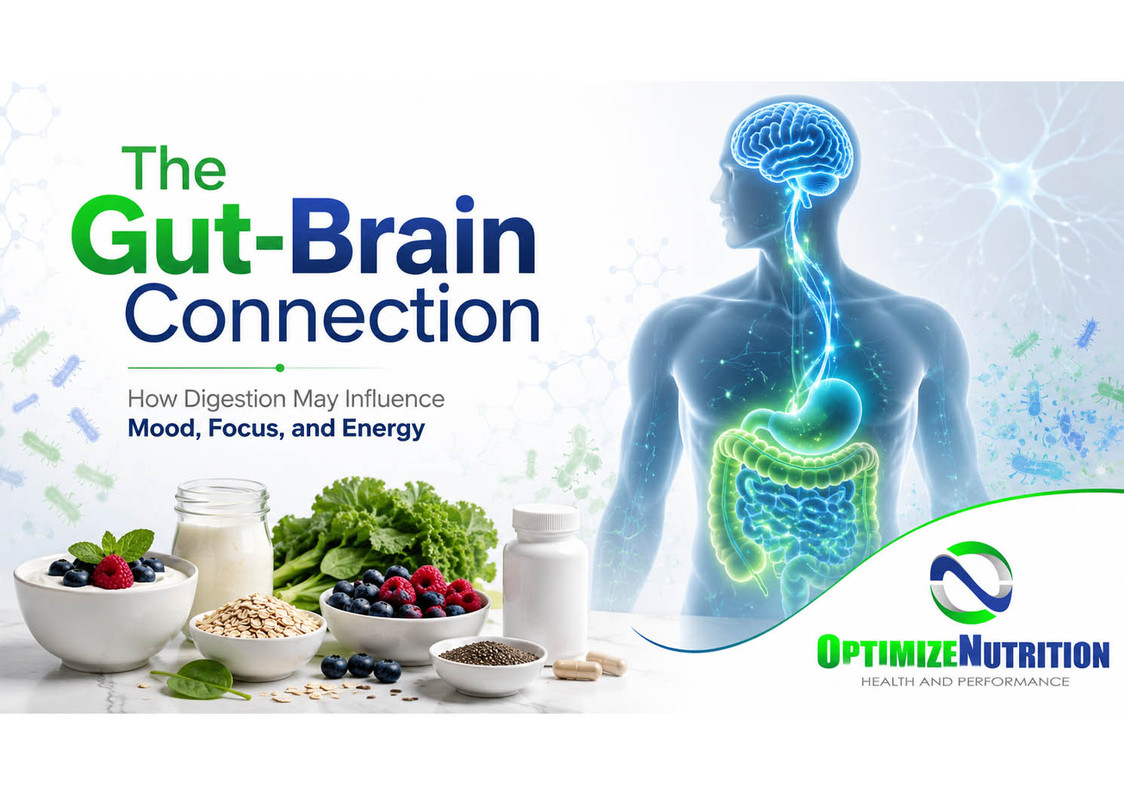
The Gut-Brain Connection: How Digestion May Influence Mood, Focus, and Energy
The gut is often thought of as a digestive system only, but modern research continues to show that digestion, mood, energy, immune health, and brain function are deeply connected. This relationship is commonly known as the gut-brain axis.
The gut-brain axis is the communication network between the digestive system, gut microbiome, nervous system, immune system, and brain. This connection helps explain why stress can affect digestion, why digestive issues can influence mood, and why gut health is now considered an important part of whole-body wellness.
Harvard Health explains that the gut and brain communicate in both directions: emotional stress can affect the stomach and intestines, while intestinal distress can send signals back to the brain. This does not mean every mood or energy concern starts in the gut, but it does mean digestive health can play a meaningful role in how people feel day to day.
What Is the Gut-Brain Axis?
The gut-brain axis is a two-way communication system between the digestive tract and the central nervous system. This communication happens through several pathways, including:
- The vagus nerve
- Gut bacteria and their metabolites
- Immune system signaling
- Inflammatory compounds
- Hormones
- Neurotransmitters
- Blood sugar regulation
- Nutrient absorption
Your gut contains trillions of bacteria, fungi, and other microorganisms that make up the gut microbiome. These microbes help break down food, produce beneficial compounds, support the immune system, and interact with the nervous system.
Research reviews describe the gut-brain axis as a bidirectional relationship between the brain, digestive system, and gut microbiome, with growing evidence that gut microbes may influence mood, cognition, and stress response.
How Gut Health May Influence Mood
Many people have experienced the gut-brain connection without realizing it. Feeling nervous can cause nausea or stomach discomfort. Stress can worsen bloating, cramping, appetite changes, reflux, or bowel changes. On the other side, poor digestion can contribute to feeling mentally foggy, low, tense, or physically drained.
This connection may be influenced by:
- Changes in gut bacteria
- Digestive inflammation
- Poor nutrient absorption
- Blood sugar swings
- Low intake of fiber and polyphenols
- Chronic stress
- Poor sleep
- Food sensitivities or intolerances
- Imbalances in bowel regularity
The gut also plays an important role in producing and regulating compounds involved in mood and nervous system function. Some gut bacteria can produce or influence neurotransmitter-related compounds such as serotonin, GABA, and dopamine-related pathways. This does not mean probiotics are a replacement for mental health care, but it does support the idea that gut health is part of a broader wellness picture.
Digestion, Focus, and Brain Fog
Brain fog can have many causes, including poor sleep, low iron, low B12, dehydration, blood sugar imbalance, stress, medications, or underlying health conditions. However, gut health may also be part of the picture for some people.
When digestion is not working well, the body may struggle to properly break down and absorb nutrients that are important for energy and brain function, including:
- B vitamins
- Iron
- Magnesium
- Zinc
- Omega-3 fatty acids
- Amino acids from protein
- Fat-soluble vitamins such as A, D, E, and K
Digestive discomfort can also be distracting and draining. If someone is dealing with bloating, irregular bowel movements, reflux, or food reactions, it can affect focus, productivity, appetite, and energy.
Supporting the gut is not just about taking a probiotic. It is about improving the environment of the digestive system so the body can better digest food, absorb nutrients, regulate inflammation, and maintain microbial balance.
Signs Your Gut May Need Support
Gut health issues can look different from person to person. Common signs that digestion may need extra attention include:
- Bloating after meals
- Gas or digestive discomfort
- Irregular bowel movements
- Constipation or loose stools
- Reflux or indigestion
- Food sensitivities or frequent reactions
- Low appetite or feeling overly full
- Sugar cravings
- Brain fog after eating
- Low energy despite eating enough
- Skin flare-ups linked to food or digestion
- Mood changes that seem connected to gut symptoms
These symptoms can have many causes, so persistent or severe digestive issues should be assessed by a qualified healthcare professional.
Food Foundations for the Gut-Brain Connection
The best place to start is food. A gut-supportive diet does not need to be complicated, but it should be nutrient-dense, balanced, and realistic.
Helpful food strategies include:
- Eat enough protein at each meal to support neurotransmitters, blood sugar, and repair
- Include fiber from vegetables, berries, legumes, oats, chia, flax, and other whole foods
- Add polyphenol-rich foods such as berries, cacao, green tea, herbs, spices, and colourful plants
- Include healthy fats from olive oil, avocado, nuts, seeds, fatty fish, and omega-3 sources
- Try fermented foods such as yogurt, kefir, sauerkraut, kimchi, miso, or kombucha if tolerated
- Stay hydrated and consider electrolytes if sweating, active, or eating lower-carb
- Reduce ultra-processed foods, excessive sugar, and alcohol where possible
- Eat slowly and chew thoroughly to support digestion
A Mediterranean-style diet pattern is often discussed in gut-brain research because it emphasizes fiber, healthy fats, colourful plants, legumes, fish, and minimally processed foods. These foods can support microbial diversity and provide nutrients important for both gut and brain health.
The Role of Stress and the Nervous System
Stress can strongly influence digestion. When the body is stuck in a stressed state, digestion may slow down or become disrupted. This can affect stomach acid, enzymes, motility, appetite, bowel patterns, and gut comfort.
This is why gut health is not only about food. Nervous system support matters too.
Helpful habits include:
- Deep breathing before meals
- Eating without rushing
- Walking after meals
- Getting morning light exposure
- Prioritizing sleep
- Reducing late-day caffeine
- Spending time outdoors
- Strength training or gentle movement
- Taking breaks from constant screen stimulation
- Creating consistent meal timing
Even a simple practice like taking a few slow breaths before eating can help shift the body into a better state for digestion.
Supplements That May Support the Gut-Brain Connection
Supplements can be helpful, but they work best when matched to the person’s needs. Not everyone needs the same gut protocol.
Probiotics
Probiotics are beneficial bacteria that may help support microbial balance, digestion, immune function, and gut-brain communication. Certain Lactobacillus and Bifidobacterium strains are commonly studied for gut and mood-related outcomes, though results can vary by strain, dose, and individual health status.
Prebiotics
Prebiotics are fibers or compounds that feed beneficial gut bacteria. Examples include inulin, FOS, resistant starch, partially hydrolyzed guar gum, and fibers found in foods like onions, garlic, asparagus, oats, legumes, and slightly green bananas.
Some people do very well with prebiotics, while others with IBS or SIBO-like symptoms may need a gentler approach.
Digestive Enzymes
Digestive enzymes may help support the breakdown of protein, fats, and carbohydrates, especially for people who feel heavy, bloated, or overly full after meals.
L-Glutamine
L-glutamine is an amino acid commonly used for gut lining support. It may be considered during periods of digestive stress, intense training, or gut repair protocols.
Omega-3 Fatty Acids
Omega-3s support healthy inflammation balance, brain function, cell membranes, and overall wellness. They can be especially useful when dietary intake of fatty fish is low.
Magnesium
Magnesium supports the nervous system, muscle relaxation, stress response, and regularity. Different forms may be chosen depending on the goal, such as glycinate for relaxation or citrate for bowel regularity.
Zinc
Zinc supports immune function, gut barrier integrity, taste, appetite, and tissue repair. Zinc carnosine is a specific form often used in gut-focused formulas.
Product Hi-light: Provita Gut-immune
Provita Gut Immune is a digestive and immune support formula designed to help maintain a healthy gut environment while supporting everyday immune function. This formula combines probiotics, prebiotics, zinc, and plant-based extracts to support intestinal flora, digestive balance, and overall wellness.
When to Be More Careful
Gut health advice is not one-size-fits-all. Some people need a more personalized approach, especially if they have:
- IBS
- IBD
- Celiac disease
- SIBO concerns
- Histamine intolerance
- Food allergies
- Severe reflux
- Chronic constipation or diarrhea
- Unexplained weight loss
- Blood in stool
- Persistent pain
- Ongoing fatigue or nutrient deficiencies
In these cases, randomly adding probiotics, fiber, fermented foods, or strong herbal supplements may not be the best first step. Testing, practitioner support, and a more strategic plan may be needed.
Final Thoughts
The gut-brain connection shows that digestion is about much more than breaking down food. A healthier gut can support nutrient absorption, immune balance, inflammation regulation, nervous system function, mood, focus, and daily energy.
The best approach is to build the foundation first: nutrient-dense food, enough protein, fiber when tolerated, hydration, sleep, stress support, movement, and mindful eating. From there, targeted supplements such as probiotics, prebiotics, digestive enzymes, L-glutamine, omega-3s, magnesium, zinc, and herbal digestive supports may help depending on the individual.
At Optimize Nutrition, we carry a variety of gut-supportive supplements. Our team can help you choose products that fit your goals, lifestyle, and current digestive needs.
Disclaimer
This article is for educational purposes only and is not intended to diagnose, treat, cure, or prevent any disease. Digestive symptoms, mood changes, ongoing fatigue, or suspected nutrient deficiencies should be discussed with a qualified healthcare professional. Always speak with a healthcare provider before starting new supplements, especially if you are pregnant, breastfeeding, taking medication, managing a health condition, or dealing with persistent digestive concerns.
Recent Posts
-

Astaxanthin Benefits: The Antioxidant for Skin, Eyes, Recovery & Healthy Aging **Draft
Astaxanthin has quietly become one of the most talked-about antioxidants in the supplement world. Un …Oct 02, 2026 -

Best Natural Supplements for Better Sleep (Beyond Melatonin)
Melatonin gets most of the attention when people look for sleep support, but it is not the only opti …Oct 01, 2026 -

Best Greens Powders in Canada: 4 Staff Picks for Different Goals
Greens powders can be a convenient way to increase the variety of plant-based nutrients in a daily r …Sep 25, 2026