
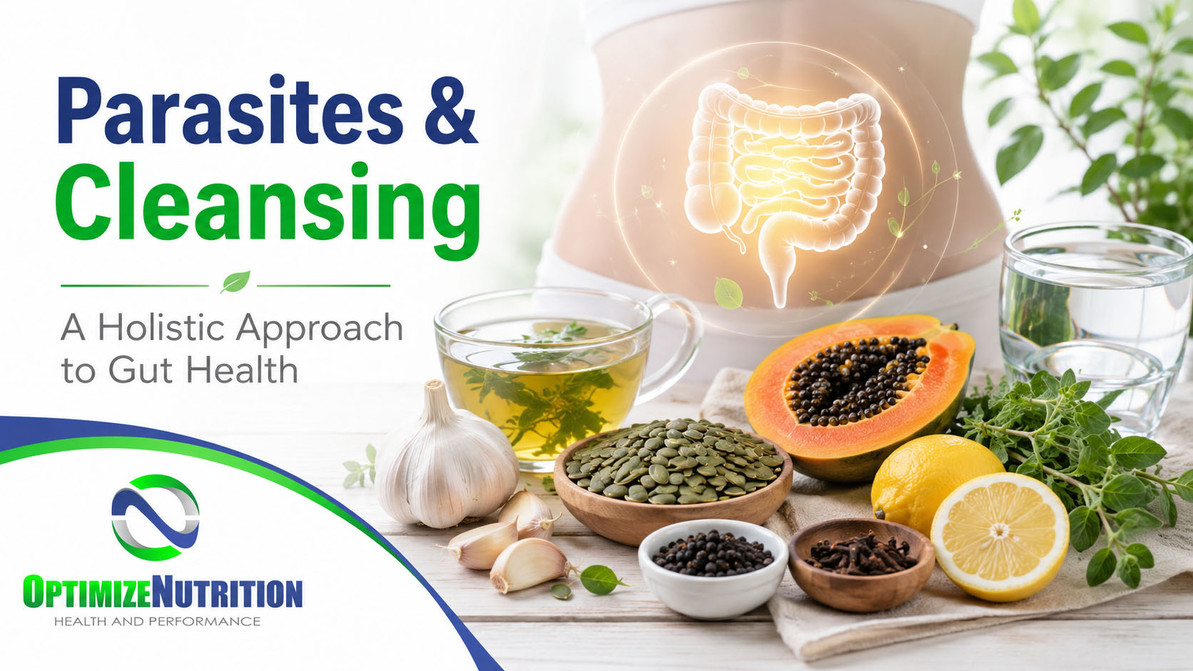
Parasites and Cleansing: A Holistic Approach to Gut Health, Prevention, and Natural Support (needs links to products etc)
Parasite cleansing has become a major wellness trend, with many people wondering whether unexplained digestive issues, fatigue, food cravings, skin concerns or brain fog could be connected to an unwanted organism in the body.
From a holistic medicine perspective, parasites are not viewed only as isolated invaders. Practitioners may also consider the internal environment of the body, including digestive strength, immune resilience, nutrient status, gut bacteria, stress levels and exposure history.
Parasites are real and can affect health. However, it is also important not to assume that every digestive symptom is caused by them. Bloating, irregular bowel movements, fatigue and food sensitivities may have many possible causes, including stress, low stomach acid, poor digestion, microbiome imbalances, nutrient deficiencies or underlying gastrointestinal conditions.
A responsible holistic approach combines prevention, targeted testing, nourishment and carefully selected natural support rather than relying on aggressive or unnecessary cleanses.
What Are Parasites?
A parasite is an organism that lives in or on another organism and uses that host for nourishment or survival.
Parasites that may affect humans include microscopic organisms such as Giardia, intestinal worms and certain organisms that live on the skin. Different parasites affect the body in different ways, which is why there is no single cleanse or herb that is appropriate for every possible infection.
Some people may experience noticeable symptoms, while others may have mild or nonspecific concerns. The effect depends on the organism, the person’s immune system, their nutritional status and the location and duration of the infection.
How Parasites May Affect the Body
From a holistic perspective, a parasite may affect more than one body system. The digestive tract, immune system, nutrient balance and overall energy may all be influenced.
Digestive discomfort
Intestinal parasites may contribute to symptoms such as:
- Persistent bloating or gas
- Abdominal discomfort
- Loose or irregular bowel movements
- Nausea
- Changes in appetite
- Difficulty absorbing nutrients
- New digestive symptoms following travel or untreated-water exposure
These symptoms do not automatically confirm a parasite. They may also occur with food intolerances, irritable bowel syndrome, bacterial imbalances, stress or poor digestive function.
Nutrient depletion
Certain parasites compete for nutrients or interfere with normal digestion and absorption. Over time, this may contribute to low iron, reduced energy, weakness or difficulty maintaining a healthy nutrient status.
In holistic medicine, nutrient depletion is especially important because the immune system, digestive tract and detoxification pathways all depend on adequate vitamins, minerals, protein and essential fatty acids.
Immune system stress
The immune system is responsible for identifying and responding to organisms that do not belong in the body. If the immune system is already strained by poor sleep, chronic stress, inadequate nutrition or another health concern, the body may have more difficulty maintaining balance.
Some parasites may also trigger inflammation, skin reactions or changes in immune activity.
Gut microbiome disruption
The gut microbiome contains trillions of microorganisms that help support digestion, immune activity and intestinal barrier function.
A parasitic infection may alter this environment. At the same time, a disrupted microbiome may make the digestive system less resilient. This relationship is complex and may vary significantly from one person to another.
How Do People Get Parasites?
Exposure may occur through contaminated food, water, soil, animals or close contact with an infected person.
Untreated or contaminated water
Lakes, rivers, streams and poorly maintained water systems may contain parasites. Water can appear clean while still carrying microscopic organisms.
This is especially relevant during camping, international travel or recreational swimming.
Improperly prepared food
Raw or undercooked meat and seafood may carry certain parasites. Poorly washed produce and contaminated kitchen surfaces may also create opportunities for exposure.
Travel
Travel to areas with limited sanitation or unsafe drinking water may increase the likelihood of infection.
Eating raw food washed with contaminated water, consuming ice from an unsafe source or drinking untreated water may increase exposure.
Animals and soil
Some parasites may be transmitted through animal waste or contaminated soil. This can occur through gardening, walking barefoot in high-risk areas or handling animals without washing afterward.
Keeping pets on an appropriate veterinary prevention plan is also important.
Person-to-person contact
Certain parasites can spread through close contact, especially when hand hygiene is inadequate. Childcare environments and shared households may occasionally experience wider transmission.
The Holistic View: Why the Body’s Internal Environment Matters
Holistic practitioners often focus on the concept of strengthening the body’s internal terrain.
This does not mean that a healthy person can never become infected. Anyone can be exposed to contaminated food or water. However, strong digestive and immune function may help the body respond more effectively.
Important areas of support include:
- Adequate stomach acid and digestive enzyme production
- Healthy bile flow
- Regular bowel movements
- A diverse gut microbiome
- Sufficient protein and micronutrients
- Good hydration
- Restorative sleep
- Balanced stress hormones
- Healthy intestinal barrier function
The goal is not simply to “kill” unwanted organisms. It is also to nourish the body, support elimination and create an environment that is less favourable to ongoing imbalance.
Do You Need a Parasite Cleanse?
Not everyone needs a parasite cleanse.
Many online protocols suggest that parasites are extremely common and that everyone should cleanse regularly. This can create unnecessary fear and may lead people to use strong herbal products without a clear reason.
A cleanse may cause changes in bowel movements, mucus or digestive output, but this does not necessarily prove that parasites are leaving the body. Fibre supplements, laxative herbs and binding ingredients can all alter the appearance of stool.
Aggressive cleansing can also lead to:
- Diarrhea
- Dehydration
- Electrolyte imbalance
- Digestive irritation
- Medication interactions
- Reduced nutrient absorption
- Stress on the liver or kidneys
- Disruption of beneficial gut bacteria
A more thoughtful approach is to consider symptoms, exposure history and appropriate testing before beginning a targeted protocol.
Natural Supplements Traditionally Used for Parasite Support
Several herbs and foods have been traditionally used to support the body during suspected parasitic infections. Some have shown activity in laboratory or early research, but human evidence is still limited for many natural remedies.
These ingredients should be viewed as potential supportive tools rather than guaranteed cures.
Garlic
Garlic contains sulphur compounds that have antimicrobial properties. It may also support immune function and cardiovascular health.
Using garlic regularly in food is generally a gentle way to include it. Concentrated garlic extracts may interact with blood-thinning medications and may irritate sensitive digestive systems.
Oregano and thyme
Oregano and thyme contain aromatic compounds that have demonstrated antimicrobial activity in laboratory research.
Culinary use is very different from taking concentrated essential oils. Essential oils should not be swallowed casually, as they can irritate the digestive tract and may be harmful in inappropriate amounts.
Cloves
Cloves are traditionally used in many parasite protocols and contain a compound called eugenol.
They may be included in foods, teas or professionally formulated supplements. High-dose clove products may not be appropriate for people taking blood-thinning medications.
Pumpkin seeds
Pumpkin seeds have a long history of traditional use in digestive and parasite-support protocols.
They are also a nutritious source of magnesium, zinc, fibre, protein and healthy fats. Although they may be a beneficial food, they should not be expected to eliminate a diagnosed infection by themselves.
Papaya seeds
Papaya seeds are among the better-known traditional remedies for intestinal parasites. Small preliminary studies have reported encouraging results, but the research remains limited.
Papaya seeds may also be irritating in larger amounts and are not appropriate for everyone. More research is needed before a standardized dose or treatment recommendation can be established.
Berberine
Berberine is naturally found in plants such as barberry, Oregon grape and goldenseal.
It has antimicrobial properties and is sometimes used by holistic practitioners for digestive imbalances. However, berberine can interact with medications and may affect blood sugar, digestion and liver enzymes.
It is generally not recommended during pregnancy or breastfeeding without specific professional guidance.
Black walnut
Black walnut hull is a common ingredient in traditional parasite formulas. It contains plant compounds that may have antimicrobial effects.
However, concentrated black walnut products can be irritating and may not be appropriate for people with nut allergies, digestive sensitivity or certain medical conditions.
Wormwood
Wormwood has a long history of traditional use for digestive and parasite concerns.
It is also one of the herbs that requires the most caution. Certain compounds in wormwood can be harmful in excessive amounts or when used for prolonged periods.
It should not be used during pregnancy, breastfeeding or in people with seizure disorders unless specifically directed by a qualified professional.
Supporting the Body During a Holistic Protocol
A well-designed holistic protocol should focus on more than antimicrobial herbs.
Support regular elimination
Healthy bowel movements help the body remove waste products. Constipation during an aggressive cleanse may increase discomfort and make a protocol harder to tolerate.
Helpful foundational habits may include:
- Drinking adequate water
- Eating fibre-rich vegetables
- Including ground flax or chia seeds if tolerated
- Using magnesium when appropriate
- Staying physically active
- Maintaining a consistent meal schedule
Laxative herbs should not be used continuously without professional supervision.
Nourish the liver and bile system
The liver helps process metabolic waste, medications and compounds absorbed from the digestive tract. Bile also supports fat digestion and plays a role in the intestinal environment.
Foods commonly used to support normal liver and bile function include:
- Cruciferous vegetables
- Beets
- Artichokes
- Bitter greens
- Garlic and onions
- Adequate protein
- Fibre-rich foods
This does not mean the liver needs to be “flushed.” The goal is to provide the nutrients required for its normal functions.
Restore the microbiome
Antimicrobial protocols may affect beneficial organisms as well as unwanted ones. Supporting the microbiome during or after treatment may help promote digestive resilience.
Helpful options may include:
- Fermented vegetables
- Unsweetened yogurt or kefir
- Prebiotic fibres
- Probiotic supplements
- Polyphenol-rich berries and herbs
- A wide variety of plant foods
Probiotics may support gut health, but they are not a replacement for appropriate treatment when a true parasite is present.
Reduce excess refined sugar
Highly refined diets may contribute to microbiome imbalance, unstable blood sugar and poor overall nutrient intake.
A whole-food diet with adequate protein, vegetables, healthy fats and fibre may help support the immune system and digestive tract.
It is not necessary to follow an extremely restrictive “parasite diet.” Overly restrictive eating may create nutritional deficiencies and unnecessary stress.
Support immune resilience
The immune system requires consistent nutritional support.
Important nutrients include:
- Vitamin A
- Vitamin C
- Vitamin D
- Zinc
- Selenium
- Iron
- B vitamins
- Protein
- Omega-3 fatty acids
Supplementation should be based on individual needs, as excessive intake of certain nutrients can also be harmful.
Natural Ways to Reduce Parasite Exposure
Prevention is more reliable than completing regular cleanses without evidence of infection.
Wash your hands
Wash thoroughly before preparing food, after using the bathroom, after gardening and after handling animals.
Use safe drinking water
When travelling or camping, drink properly treated or filtered water. Avoid swallowing water from lakes, rivers or pools.
Prepare food carefully
Wash produce, avoid cross-contamination and cook meat and seafood to appropriate temperatures.
Protect yourself when gardening
Wear gloves and wash your hands after working with soil. Wearing appropriate footwear may also reduce exposure in higher-risk environments.
Maintain pet health
Work with a veterinarian to keep pets on an appropriate parasite-prevention and testing schedule. Clean animal areas regularly and wash after handling waste.
Support stomach and digestive health
Avoiding unnecessary use of acid-blocking medications and antibiotics may help preserve normal digestive defences. However, prescribed medications should never be stopped without speaking to the prescribing healthcare professional.
When Testing May Be Appropriate
A stool or blood test may be worth discussing when symptoms are ongoing or there is a realistic exposure history.
Consider seeking professional guidance for:
- Persistent diarrhea
- Ongoing abdominal discomfort
- Unexplained weight loss
- Iron deficiency without a clear cause
- Symptoms beginning after international travel
- Symptoms following untreated-water exposure
- Digestive illness affecting multiple household members
- Persistent fatigue combined with significant digestive changes
- Fever or worsening illness after travel
Testing is not always perfect, and some parasites may require more than one stool sample. A practitioner may also need to assess bacterial infections, digestive function, inflammation and other possible causes.
A Responsible Holistic Approach
The parasite-cleanse trend raises awareness of a real health concern, but it can also encourage people to blame every symptom on an infection.
A responsible holistic approach asks several questions:
- Is there a realistic exposure?
- Are the symptoms persistent?
- Have other digestive causes been considered?
- Is testing appropriate?
- Is the protocol safe for the individual?
- Are nutrition, elimination and microbiome health being supported?
- Could any of the herbs interact with medications?
Natural remedies may play a supportive role, especially when used thoughtfully and under professional guidance. However, they should not replace testing or targeted treatment when a significant infection is present.
The strongest long-term strategy is to support digestive function, nourish the immune system, maintain a healthy microbiome, practise good food and water hygiene and use targeted natural or conventional treatments when genuinely needed.
Medical disclaimer: This article is for general educational purposes and is not intended to diagnose or treat a parasitic infection. Anyone with persistent symptoms, recent travel exposure or concerns about parasites should consult a qualified healthcare professional before beginning a cleansing or herbal protocol.
Recent Posts
-
Parasites and Cleansing: A Holistic Approach to Gut Health, Prevention, and Natural Support (needs links to products etc)
Parasite cleansing has become a major wellness trend, with many people wondering whether unexplained …Aug 01, 2026 -

Understanding Cholesterol: What Your Numbers Mean and How to Support Healthy Levels Naturally
For decades, cholesterol has been described in overly simple terms: LDL is “bad,” HDL is “good,” and …Jul 31, 2026 -

Product Highlight: Organika Tart Cherry
When it comes to recovery, most people immediately think about protein, hydration and stretching. Wh …Jul 21, 2026