
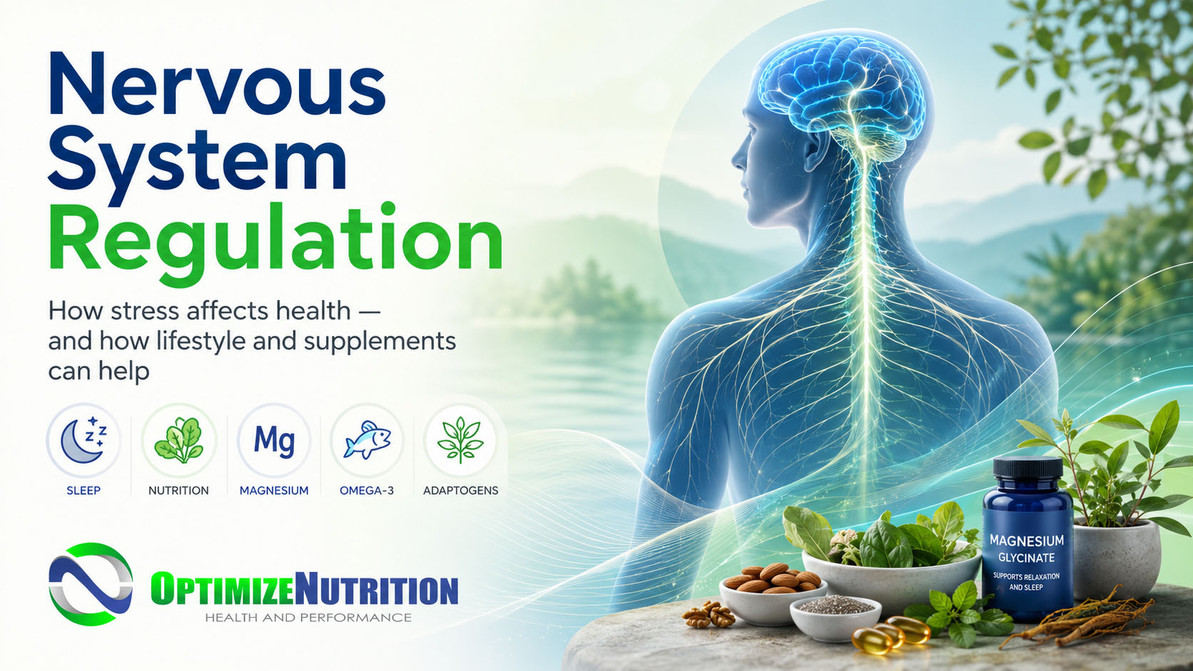
Nervous System Regulation: How Stress Affects Your Health—and What You Can Do About It
Feeling tired but unable to relax? Struggling with restless sleep, digestive problems, irritability, muscle tension or difficulty concentrating?
These symptoms can have many possible causes, but they may also be influenced by how effectively your nervous system responds to stress and returns to a calmer state afterward.
The phrase “nervous system dysregulation” has become increasingly popular in wellness circles. While it can be a useful way to describe feeling chronically overwhelmed, anxious or overstimulated, it is not a specific medical diagnosis. It is also different from dysautonomia, a group of medical conditions involving measurable problems with the autonomic nervous system.
Understanding this distinction can help us take nervous system health seriously without assuming that every unexplained symptom is caused by stress.
What Does Nervous System Regulation Actually Mean?
The nervous system is the body’s communication network. It helps coordinate movement, thoughts, emotions, sensation and many of the automatic processes that keep us alive.
The autonomic nervous system is responsible for functions that happen largely without conscious effort, including:
- Heart rate and blood pressure
- Breathing patterns
- Digestion and intestinal movement
- Body temperature and sweating
- Bladder function
- Pupil response
- Sexual function
The autonomic nervous system is often divided into two main branches:
The sympathetic nervous system
This branch helps mobilize the body during stress, exercise or danger. It increases alertness, raises heart rate and redirects energy toward the muscles and brain. This is commonly called the “fight-or-flight” response.
The parasympathetic nervous system
This branch supports digestion, recovery, energy conservation and relaxation. It is often called the “rest-and-digest” response.
Neither branch is inherently good or bad. You need sympathetic activation to exercise, focus, respond to challenges and protect yourself. You also need parasympathetic activity to recover, sleep and digest food.
Healthy regulation means being able to activate when necessary—and then gradually return to baseline when the challenge has passed.
What Can Cause the Nervous System to Feel Dysregulated?
Nervous system regulation can be affected by a combination of physical, emotional and environmental stressors.
Common contributors include:
- Chronic psychological stress
- Poor or inconsistent sleep
- Under-eating or highly restrictive dieting
- Blood sugar fluctuations
- Excessive caffeine or stimulant use
- Overtraining without adequate recovery
- Sedentary behaviour
- Chronic pain
- Illness or infection
- Trauma and prolonged feelings of unsafety
- Social isolation
- Nutrient deficiencies
- Hormonal changes
- Certain medications
- Excessive screen time and constant digital stimulation
Occasional stress is normal. During a stressful situation, the body releases hormones that increase heart rate, breathing, blood pressure and muscle tension. Problems are more likely to develop when stress activation becomes frequent or prolonged and the body receives too few opportunities for recovery.
Clinical autonomic dysfunction can also be associated with medical conditions such as diabetes, autoimmune disease, hormonal disorders, neurological conditions, post-viral syndromes and certain nutrient deficiencies. These conditions require proper medical assessment rather than lifestyle treatment alone.
Signs Your Body May Be Struggling to Recover From Stress
Possible signs of prolonged stress activation can include:
- Feeling tense, restless or constantly “on”
- Difficulty relaxing, even when there is time to rest
- Trouble falling or staying asleep
- Waking up feeling unrefreshed
- Irritability or emotional reactivity
- Racing thoughts
- Difficulty concentrating
- Jaw clenching or muscle tension
- Frequent headaches
- Digestive discomfort
- Changes in appetite
- Feeling unusually sensitive to noise, crowds or stimulation
- Fatigue combined with a wired feeling
- Heart palpitations during stress
- Reduced exercise recovery
These symptoms are not proof of nervous system dysfunction. Thyroid conditions, anemia, medication effects, sleep apnea, heart rhythm problems, anxiety disorders, nutrient deficiencies and numerous other health concerns can produce similar symptoms.
Persistent or worsening symptoms should not automatically be dismissed as stress.
How Nervous System Dysfunction Can Affect Health
1. Sleep and energy
Sleep and autonomic function influence one another. Stress can make it harder to fall asleep, while inadequate sleep can make the nervous system more reactive the following day.
A 2025 meta-analysis found that sleep deprivation was associated with changes in heart-rate variability suggesting greater sympathetic activity and reduced parasympathetic influence. This does not mean a single poor night causes nervous system disease, but it helps explain why sleep loss can leave people feeling restless, emotional and physically depleted.
Over time, poor sleep may also contribute to changes in appetite, blood sugar regulation, pain sensitivity, mood and exercise recovery.
2. Digestion
The autonomic nervous system helps regulate digestive secretions, intestinal movement and communication between the brain and gastrointestinal tract.
During acute stress, digestion may temporarily slow or change because the body is prioritizing immediate survival. Some people lose their appetite, while others experience nausea, urgency, bloating, constipation or diarrhea.
Chronic digestive symptoms should still be investigated appropriately. Stress may aggravate a gastrointestinal condition without necessarily being its original cause.
3. Cardiovascular health
The autonomic nervous system continually adjusts heart rate, blood vessel tone and blood pressure.
During stress, temporary increases in heart rate and blood pressure are normal. However, chronic sympathetic activation, poor sleep, inactivity and inadequate recovery may place additional strain on cardiovascular regulation.
True autonomic disorders can cause symptoms such as abnormal heart-rate responses, dizziness when standing, fainting or unstable blood pressure. These symptoms require professional evaluation.
4. Mood and concentration
When the brain perceives ongoing threat or pressure, attention may become increasingly focused on possible problems. This can make it harder to concentrate, think flexibly or remain emotionally balanced.
People may feel more reactive, impatient, overwhelmed or mentally foggy. These experiences are real, but they should not be reduced to a simplistic idea that the vagus nerve merely needs to be “reset.”
Mental health conditions, ongoing life stress and physical health problems may all require different forms of support.
5. Pain and muscle tension
Stress commonly increases muscle tension, particularly through the jaw, neck, shoulders and lower back.
Prolonged stress may also influence how the brain processes discomfort. This does not mean chronic pain is imaginary. It means pain perception is affected by both incoming signals from the body and the nervous system’s interpretation of those signals.
6. Metabolism and appetite
Stress hormones help make energy available during a challenge. This is useful in the short term, but ongoing stress can influence food cravings, eating behaviour, blood sugar, sleep and activity levels.
For some people, chronic dieting adds another layer of physiological stress. Constantly eating too little—especially while exercising heavily—may contribute to fatigue, poor sleep, reduced recovery, hormonal disruption and heightened food preoccupation.
The answer is not always to reduce calories further. Adequate nourishment is one part of helping the body feel safe enough to recover.
7. Immune and inflammatory activity
The nervous, endocrine and immune systems continually communicate with one another. Short-term stress can temporarily alter immune activity, while chronic stress may contribute to less favourable inflammatory and recovery patterns.
This relationship is complex. It does not mean that stress is the sole cause of autoimmune disease, infections or other inflammatory conditions.
How to Support Nervous System Regulation Naturally
There is no single exercise, supplement or “vagus nerve hack” that instantly regulates the nervous system. Regulation is generally built through repeated signals of safety, predictability, nourishment and recovery.
Prioritize consistent sleep
A consistent sleep-wake schedule may be just as important as chasing the perfect bedtime routine.
Helpful habits include:
- Waking at approximately the same time each day
- Getting outdoor light earlier in the day
- Dimming bright lights in the evening
- Keeping the bedroom cool and dark
- Reducing stimulating content before bed
- Avoiding caffeine late in the day
- Creating a short, repeatable wind-down routine
Rather than adding numerous sleep products immediately, begin by protecting enough time for sleep.
Eat regularly and adequately
Long gaps without food may feel fine for some people but can make others feel shaky, irritable, anxious or overstimulated.
Build meals around:
- A quality protein source
- High-fibre carbohydrates
- Healthy fats
- Vegetables or fruit
- Adequate fluids and electrolytes
Whole foods rich in magnesium and other essential nutrients include leafy greens, beans, lentils, nuts, seeds, whole grains, yogurt, avocado and certain fish.
Nervous system support is not about eating perfectly. It is about providing the brain and body with consistent energy and the nutrients required for normal function.
Exercise—but recover as well
Regular physical activity is one of the most useful tools for supporting stress resilience, sleep and cardiovascular health. Research suggests that long-term exercise training can improve measurements associated with autonomic function, including heart-rate variability.
More exercise is not always better. Warning signs that recovery may be inadequate include declining performance, persistent soreness, sleep disruption, irritability, loss of motivation and an unusually elevated resting heart rate.
A balanced routine may include:
- Strength training
- Moderate cardiovascular exercise
- Walking
- Mobility work
- Easier recovery days
Someone who already trains intensely may benefit more from additional recovery than from another high-intensity workout.
Practise slow, comfortable breathing
Breathing is one of the few automatic functions that can also be consciously adjusted.
Research has found that slow-paced breathing can temporarily increase heart-rate variability and support parasympathetic activity. Breathing at approximately five to seven comfortable breaths per minute has been studied, although the ideal pace varies between individuals.
A simple practice:
- Sit or lie in a comfortable position.
- Breathe gently through the nose.
- Allow the abdomen and lower ribs to expand.
- Exhale slowly without forcing the breath.
- Continue for two to five minutes.
The exercise should feel calming, not competitive. Stop if it causes dizziness, tingling or a sense of air hunger. Complicated breath holds and aggressive breathing are not necessary.
Use restorative forms of movement
Yoga, tai chi, stretching and relaxed walking combine movement with controlled attention and breathing.
A systematic review found that tai chi may positively influence several heart-rate-variability measurements associated with autonomic function, although study quality and methods vary.
The most effective activity is often the one a person enjoys enough to practise consistently.
Reduce unnecessary stimulation
A stressed nervous system may not need another intensive protocol. It may need fewer inputs.
Consider creating regular periods without:
- Work notifications
- Social media
- Breaking news
- Loud background media
- Multitasking
- Excessive caffeine
Even ten quiet minutes can provide a transition between work, training and sleep.
Build social connection
Supportive relationships are powerful regulators of stress. Conversation, laughter, physical affection, shared meals and time with trusted people can help create a sense of safety.
Regulation is not always an individual project. For many people, feeling connected is more effective than trying to meditate perfectly in isolation.
Address the actual source of stress
Breathing exercises cannot solve an unsafe relationship, an impossible workload, financial strain, untreated pain or a medical condition.
Relaxation practices are helpful, but they should not be used to tolerate circumstances that require meaningful change.
Counselling, cognitive behavioural therapy and trauma-informed therapy may be valuable when stress is persistent, overwhelming or connected to past experiences.
Nutrients and Adaptogens That May Support Nervous System Health
Supplements can help support the nervous system when they address inadequate dietary intake, increased needs or a confirmed nutrient deficiency. However, they work best alongside adequate sleep, balanced meals, regular movement and effective stress management.
The first priority should generally be the essential nutrients the nervous system requires for normal function, followed by selected adaptogenic herbs when appropriate.
Magnesium
Magnesium plays a central role in normal nerve signalling, muscle relaxation, energy production and the body’s response to stress. Low magnesium intake may contribute to muscle tension, poor sleep, fatigue and increased stress sensitivity.
Common supplemental forms include:
- Magnesium glycinate: Often chosen for relaxation, muscle tension and evening use
- Magnesium citrate: Well absorbed but may have a mild laxative effect
- Magnesium malate: Commonly used during the day for muscle and energy support
- Magnesium threonate: Marketed for cognitive support, although it is usually more expensive and the human evidence remains limited
Magnesium-rich foods include pumpkin seeds, almonds, leafy greens, beans, whole grains and dark chocolate.
People with kidney disease or those taking certain medications should consult a healthcare professional before using supplemental magnesium.
B Vitamins
B vitamins help the body convert food into energy and are required for normal brain and nervous system function.
Several are particularly important:
- Vitamin B1: Supports nerve function and carbohydrate metabolism
- Vitamin B6: Helps produce neurotransmitters involved in mood and sleep
- Folate: Supports methylation, cell division and neurotransmitter metabolism
- Vitamin B12: Essential for nerve health, red blood cell production and normal cognitive function
Low B12 levels may cause fatigue, numbness, tingling, balance problems and cognitive changes. Older adults, vegans, people taking acid-reducing medications and those with digestive disorders may have a greater risk of inadequate B12 status.
More is not always better. Long-term use of very high-dose vitamin B6 can itself cause nerve problems, so concentrated B-complex products should be selected carefully.
Omega-3 Fatty Acids
EPA and DHA are omega-3 fats found primarily in fatty fish and fish oil. DHA is an important structural component of brain and nerve-cell membranes, while EPA is involved in inflammatory regulation.
Omega-3 supplements may be helpful for people who rarely eat salmon, sardines, mackerel, herring or other fatty fish. They may support general brain, cardiovascular and inflammatory health, but should not be viewed as a direct treatment for anxiety or nervous system disorders.
Choose a reputable product that clearly lists the amount of EPA and DHA rather than only the total amount of fish oil.
People taking blood-thinning medication or preparing for surgery should speak with a healthcare professional before using higher doses.
Vitamin D
Vitamin D receptors are found throughout the brain and nervous system. Vitamin D also contributes to immune function, bone health and muscle function.
Low vitamin D status is common in Canada, particularly during the fall and winter when sunlight exposure is limited. Supplementation may be useful when sun exposure and dietary intake are inadequate, but dosing should ideally reflect individual needs and blood-test results.
Extremely high doses can be harmful, so vitamin D should not be taken under the assumption that more will provide greater mood or nervous system benefits.
Zinc
Zinc is involved in neurotransmitter activity, immune function, antioxidant protection and hundreds of enzymatic processes.
Inadequate zinc intake may affect appetite, immune health, wound healing and normal neurological function. Good food sources include meat, shellfish, pumpkin seeds, dairy products and legumes.
Long-term high-dose zinc supplementation can reduce copper absorption, so zinc should not be taken in large amounts indefinitely without professional guidance.
Iron
Iron is essential for oxygen transport, energy production and neurotransmitter synthesis. Low iron or iron-deficiency anemia may contribute to fatigue, weakness, headaches, exercise intolerance, restless legs and difficulty concentrating.
Iron should not generally be taken simply for stress or fatigue. Excess iron can be harmful, and symptoms of deficiency should be confirmed with appropriate blood testing.
Electrolytes
Sodium, potassium, calcium and magnesium help regulate nerve impulses, hydration, muscle contractions and blood pressure.
Most people obtain enough electrolytes from a balanced diet. Additional electrolyte support may be useful during prolonged exercise, heavy sweating, hot weather, vomiting, diarrhea or certain medically supervised dietary approaches.
People with kidney disease, heart conditions or blood-pressure concerns should be cautious with concentrated electrolyte products.
Adaptogens for Stress Resilience
Adaptogens are herbs or mushrooms traditionally used to help the body adapt to physical or emotional stress. They do not eliminate stress or “reset” the nervous system, but certain adaptogens may provide supportive benefits for energy, sleep or perceived stress.
Adaptogens are not interchangeable. Some are more calming, while others can feel stimulating.
Ashwagandha
Ashwagandha is one of the most researched adaptogens for perceived stress and sleep. It may be most suitable for people who feel tense, mentally overactive or tired but unable to unwind.
It may help support:
- Perceived stress
- Sleep quality
- Relaxation
- Recovery from physical stress
Ashwagandha may not be appropriate during pregnancy or for people with certain thyroid, autoimmune or liver conditions. It may also interact with sedatives, thyroid medication, blood-pressure medication and diabetes medication.
Rhodiola Rosea
Rhodiola is generally considered a more energizing adaptogen. It is often used for fatigue, mental stamina and resilience during demanding periods.
It may be better suited to people who feel mentally depleted or physically exhausted rather than highly anxious or overstimulated.
Because rhodiola can feel activating, it is usually taken earlier in the day. People with bipolar disorder or those taking medications that affect mood should consult a healthcare professional before using it.
Holy Basil
Holy basil, also known as tulsi, has a long history of use in Ayurvedic medicine. It is often used as a gentler adaptogen for emotional stress, mental tension and general well-being.
Holy basil can be consumed as tea, tincture or capsules. It may affect blood sugar and blood clotting, so additional caution is needed for people taking diabetes medications or blood thinners.
Reishi Mushroom
Reishi is traditionally used to support resilience, immune health and relaxation. Unlike more stimulating adaptogens, it is often included in evening formulas or products designed to support recovery.
Research on reishi for nervous system regulation remains limited, but some people use it as part of a calming nighttime routine.
Reishi may interact with blood-thinning, blood-pressure or immune-suppressing medications. Quality is particularly important with mushroom products, so look for products that clearly identify the mushroom species and part used.
Schisandra
Schisandra is a berry traditionally used in Chinese herbal medicine to support endurance, concentration and adaptation to stress.
It is generally considered balancing rather than strongly sedating. Some people use it during demanding work or training periods when they want stress support without significant drowsiness.
Schisandra may affect how the liver processes certain medications and should be reviewed carefully when prescription drugs are being used.
Siberian Ginseng
Siberian ginseng, also called eleuthero, is traditionally used for stamina, fatigue and resistance to physical stress. Despite its name, it is not the same plant as Panax ginseng.
It may be more appropriate for low energy and physical fatigue than for someone already experiencing restlessness, insomnia or a racing heart.
People with uncontrolled high blood pressure, heart rhythm concerns or medication interactions should seek professional advice before using it.
Choosing the Right Support
A supplement should be selected according to the person’s symptoms, diet, health history and medications—not simply because it is labelled for “nervous system regulation.”
A practical approach is to:
- Establish consistent sleep, meals and hydration.
- Correct any confirmed nutrient deficiencies.
- Begin with one supplement at a time.
- Choose products with transparent ingredient amounts.
- Monitor sleep, energy, digestion and mood.
- Stop using anything that causes agitation, digestive problems, headaches or other unwanted effects.
Someone who feels exhausted and depleted may respond differently than someone who feels restless, overstimulated and unable to sleep. The same adaptogen will not be appropriate for every nervous system pattern.
Supplements can provide useful support, but the foundation remains adequate nourishment, recovery, movement, meaningful connection and addressing the sources of chronic stress.
Be Careful With Heart-Rate-Variability Scores
Heart-rate variability, or HRV, describes small variations in time between heartbeats. It is influenced by autonomic activity and is increasingly measured by watches, rings and fitness trackers.
HRV can be useful for observing long-term personal trends, but it is affected by:
- Sleep
- Exercise
- Illness
- Breathing
- Alcohol
- Hydration
- Age
- Fitness
- Measurement position
- Time of day
- Device accuracy
A single low reading does not prove that the nervous system is damaged. Wearable data should provide context—not become another source of anxiety. Researchers have also emphasized that autonomic measurements require careful interpretation because they are affected by numerous situational and technical factors.
When to Seek Medical Advice
Speak with a healthcare professional when symptoms are persistent, worsening or interfering with daily life.
More urgent assessment may be necessary for:
- Fainting
- Chest pain
- Severe or persistent heart palpitations
- Significant breathing difficulty
- New neurological symptoms
- Major changes in blood pressure
- Unexplained weight loss
- Severe weakness
- Dizziness that repeatedly occurs when standing
- Symptoms that began after a new medication or illness
These should not be treated solely with breathing exercises or supplements.
The Bottom Line
Nervous system regulation is not about remaining calm all the time. A healthy nervous system should be able to respond to stress, physical exertion and genuine danger.
The goal is flexibility: the ability to become activated when needed and to recover when the challenge has passed.
Consistent sleep, adequate nutrition, regular movement, gentle breathing, supportive relationships and realistic boundaries provide the foundation. Supplements such as magnesium, L-theanine, omega-3s or certain adaptogenic herbs may offer additional support in appropriate situations, but none can compensate for chronic sleep deprivation, under-eating, overtraining or unresolved medical concerns.
Start with the basics, make changes gradually and remember that regulation is built through consistent habits—not one dramatic nervous system “hack.”
This article is for educational purposes only and is not intended to diagnose, treat, cure or prevent any disease. Consult a qualified healthcare professional before starting supplements, particularly if you are pregnant, breastfeeding, managing a medical condition or taking prescription medication.
Recent Posts
-

Feel a Cold Coming On? 7 Natural Remedies & Supplements to Support a Faster Recovery
It usually starts with a familiar feeling: a scratchy throat, a little congestion, unusual fatigue, …Oct 20, 2026 -

Why You're Always Tired: Common Nutrient Deficiencies and What to Test
Feeling exhausted even after a full night's sleep? Struggling with brain fog, low motivation, or tha …Oct 16, 2026 -

How to Lower Cholesterol Naturally: What Holistic Health Practitioners Have Known for Years
For decades, cholesterol advice focused heavily on avoiding eggs, limiting dietary cholesterol, and …Oct 15, 2026