
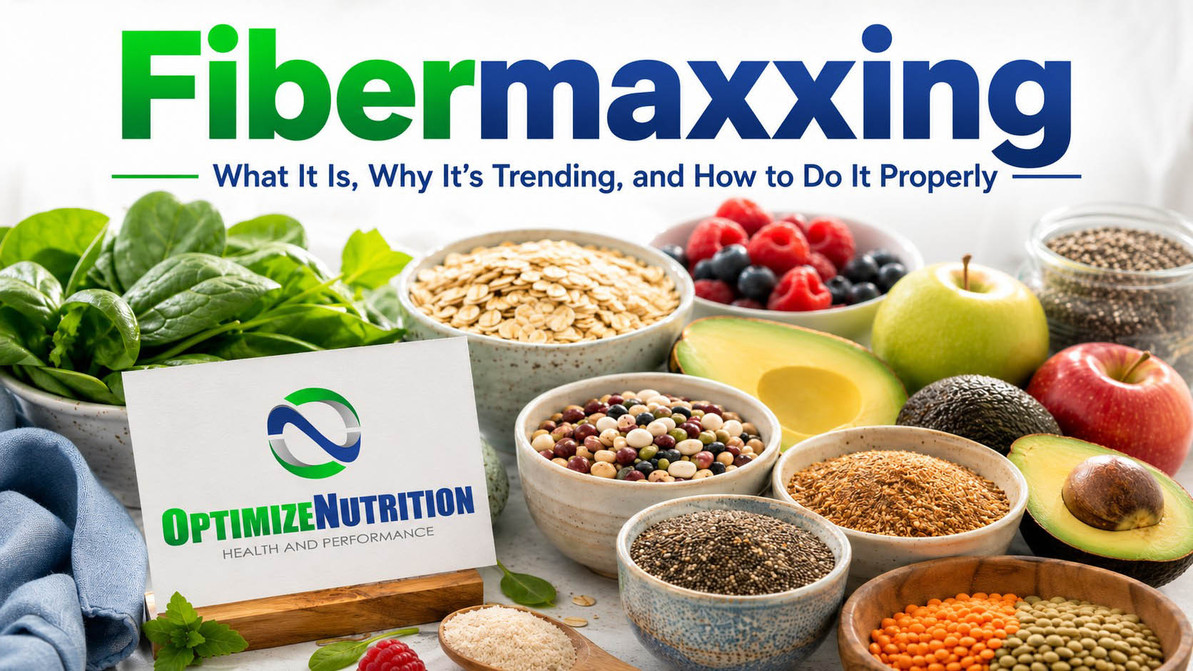
Fibermaxxing: What It Is, Why It’s Trending, and How to Do It Properly
Fiber is suddenly getting a lot of attention online. After years of wellness trends focusing on protein, fasting, low-carb diets, greens powders, and supplements, more people are now talking about something much more basic: eating enough fiber.
This trend is often called fibermaxxing, and the idea is simple. It means intentionally increasing your daily fiber intake through foods like chia seeds, flaxseed, oats, berries, vegetables, beans, lentils, psyllium husk, and other high-fiber foods.
For most people, this is actually a positive trend. Many people do not eat enough fiber, and increasing it can support digestion, gut health, appetite control, blood sugar balance, and overall metabolic health.
However, like many health trends, fibermaxxing can be taken too far. The goal should not be to cram as much fiber into your diet as possible overnight. The better goal is to slowly increase fiber in a way your body can actually tolerate.
Why Fibermaxxing Is Trending
Fibermaxxing has become popular because people are noticing that fiber can make a real difference in how they feel day to day.
Many people are using it to support:
- Better digestion
- More regular bowel movements
- Less snacking
- Better appetite control
- More stable energy
- Blood sugar balance
- Gut microbiome health
- Cholesterol support
It has also become popular because wellness professionals and health influencers have been talking more about the gut microbiome. Dr. Will Bulsiewicz, a gastroenterologist known for his work on plant diversity and gut health, has helped popularize the idea that fiber-rich plant foods help feed beneficial gut bacteria.
Dr. Rhonda Patrick has also discussed the importance of gut health, short-chain fatty acids, fermented foods, and diverse plant intake in relation to inflammation, metabolism, and overall health. Dr. Mark Hyman has also spoken about fiber and metabolic health, while pointing out that people should increase fiber in a way that works for their body.
The main message is simple: fiber is not just about going to the bathroom. It plays a much bigger role in overall health.
What Is Fiber?
Fiber is a type of carbohydrate that your body does not fully digest. Instead of being broken down like sugar or starch, fiber moves through the digestive system and helps support gut function.
Some types of fiber also feed beneficial bacteria in the gut. When these bacteria ferment fiber, they produce compounds called short-chain fatty acids, which help support the gut lining and overall digestive health.
There are two main types of fiber.
Soluble Fiber
Soluble fiber absorbs water and forms a gel-like texture in the digestive tract.
It may help support:
- Fullness
- Blood sugar balance
- Cholesterol levels
- Smoother digestion
Common sources include:
- Oats
- Chia seeds
- Ground flaxseed
- Apples
- Beans
- Lentils
- Psyllium husk
- Berries
Insoluble Fiber
Insoluble fiber adds bulk to stool and helps move food through the digestive tract.
It may help support:
- Regular bowel movements
- Healthy digestion
- Constipation relief for some people
Common sources include:
- Vegetables
- Whole grains
- Nuts
- Seeds
- Wheat bran
- Vegetable skins
Most high-fiber foods contain a mix of both types, so you do not need to overthink it. The main goal is to eat a variety of fiber-rich foods consistently.
Benefits of Fibermaxxing
When done properly, increasing fiber can be one of the simplest ways to improve your diet.
1. Better Digestion
Fiber helps support regular bowel movements and overall digestive function. This is one of the main reasons people notice benefits quickly when they start eating more fiber.
2. Gut Microbiome Support
Fiber helps feed beneficial gut bacteria. A healthier gut microbiome may support digestion, immune function, inflammation balance, and overall wellness.
3. Better Appetite Control
High-fiber foods usually help you feel fuller for longer. This can make it easier to reduce cravings and avoid constant snacking.
4. Blood Sugar Support
Fiber slows down how quickly carbohydrates are digested. This can help reduce blood sugar spikes and support steadier energy throughout the day.
5. Cholesterol Support
Certain types of fiber, especially soluble fiber from foods like oats, beans, lentils, and psyllium husk, may help support healthy cholesterol levels.
The Problem With Fibermaxxing
Fiber is healthy, but more is not always better — especially if you increase it too quickly.
Some people see fibermaxxing online and suddenly add chia seeds, flaxseed, psyllium husk, beans, lentils, raw vegetables, and high-fiber wraps all in the same day.
That can lead to:
- Bloating
- Gas
- Cramping
- Constipation
- Loose stools
- Reflux
- Digestive discomfort
This does not mean fiber is bad. It usually means your body needs time to adjust.
People with IBS, SIBO, chronic bloating, constipation, inflammatory bowel issues, or very sensitive digestion may need to be more careful with how they increase fiber.
How to Fibermax the Right Way
The best way to follow the fibermaxxing trend is to keep it simple and gradual.
Start Slow
Do not jump from a low-fiber diet to a very high-fiber diet overnight. Add one high-fiber food at a time and see how your body responds.
Good starting options include:
- 1 tablespoon ground flaxseed
- 1 tablespoon chia seeds
- 1 cup berries
- ½ cup oats
- ½ cup beans or lentils
- 1 serving of vegetables with meals
Drink More Water
Fiber works best when you are hydrated. This is especially important if you are using chia seeds, psyllium husk, or flaxseed.
Focus on Food First
Fiber supplements can help, but most of your fiber should come from whole foods.
Good fiber-rich foods include:
- Berries
- Avocado
- Oats
- Chia seeds
- Ground flaxseed
- Beans
- Lentils
- Chickpeas
- Vegetables
- Apples
- Pears
- Nuts and seeds
Cook Your Vegetables If Needed
Raw vegetables can be harder to digest for some people. If you get bloated easily, cooked vegetables may be a better starting point.
Try:
- Cooked carrots
- Zucchini
- Spinach
- Squash
- Green beans
- Sweet potato
Do Not Force It
The goal of fibermaxxing is not to feel bloated and uncomfortable just to hit a number. The goal is better digestion, better gut health, and better overall wellness.
If your digestion gets worse, reduce the amount, simplify your food choices, and build up more slowly.
Simple Fibermaxxing Ideas
Here are a few easy ways to increase fiber without making your diet complicated:
- Add chia or ground flaxseed to yogurt
- Add berries to breakfast
- Add avocado to lunch
- Add beans or lentils to soup or salad
- Choose oats instead of sugary cereal
- Add vegetables to eggs, wraps, or bowls
- Snack on fruit with nuts or nut butter
- Add psyllium husk if you need extra support and tolerate it well
Even small changes can make a big difference when done consistently.
Final Thoughts
Fibermaxxing is one of the better wellness trends because it encourages people to eat more whole, nutrient-dense foods. Most people could benefit from more fiber, especially if their diet is low in vegetables, fruits, legumes, seeds, and whole foods.
The key is to avoid turning it into another extreme trend.
Start small. Increase slowly. Drink enough water. Choose a variety of fiber-rich foods. Pay attention to how your body feels.
Fiber is not just about digestion. It supports your gut, appetite, blood sugar, cholesterol, and long-term health. Done properly, fibermaxxing can be a simple and effective way to improve your overall nutrition.
Recent Posts
-

Product Highlight: Organika Tart Cherry
When it comes to recovery, most people immediately think about protein, hydration and stretching. Wh …Jul 21, 2026 -

Clean Water, Better Wellness: Why Home Water Filtration Matters
Water is one of the most basic parts of health, yet it is often one of the most overlooked. Most peo …Jul 16, 2026 -

Nervous System Regulation: How Stress Affects Your Health—and What You Can Do About It
Feeling tired but unable to relax? Struggling with restless sleep, digestive problems, irritability, …Jul 14, 2026