
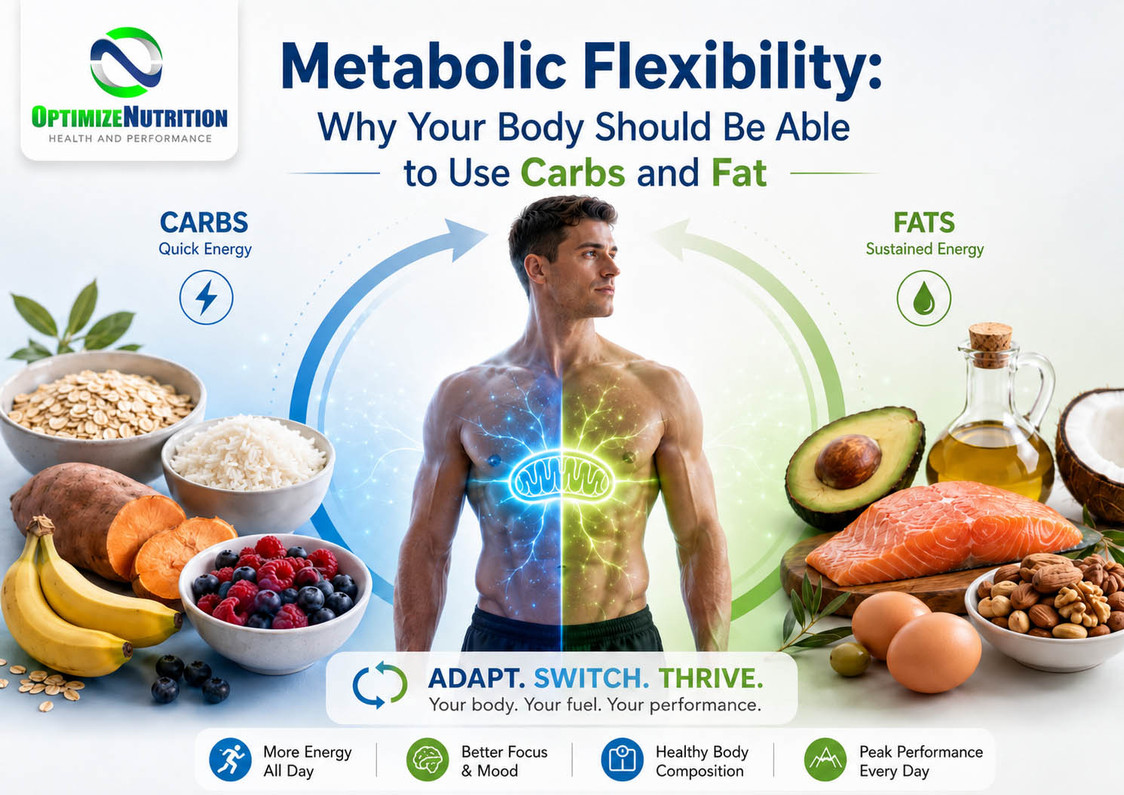
Metabolic Flexibility: Why Your Body Should Be Able to Use Carbs and Fat
Metabolic health is often talked about in extremes.
Some people believe carbohydrates are always the problem. Others believe fat is the problem. Some people think fasting is the answer, while others focus only on eating every few hours to “keep metabolism going.”
But the real goal is not to be stuck relying on one fuel source.
The real goal is metabolic flexibility.
Metabolic flexibility is your body’s ability to switch between using carbohydrates and fat for energy depending on what you eat, how active you are, your sleep, your stress levels, your hormone signals, and your overall energy needs.
A healthy metabolism should be able to use carbohydrates when they are available, such as after a meal or during higher-intensity exercise. It should also be able to use fat efficiently during lower-intensity activity, between meals, and overnight.
When the body loses this flexibility, people may experience more energy crashes, cravings, poor blood sugar control, difficulty losing body fat, poor workout recovery, and a feeling of needing constant food or caffeine just to function.
What Is Metabolic Flexibility?
Metabolic flexibility is the body’s ability to adapt fuel use based on fuel availability.
In simple terms, your body should be able to:
- Use glucose from carbohydrates when needed
- Store carbohydrates as glycogen in the muscles and liver
- Use stored body fat for energy between meals
- Burn fat during lower-intensity exercise
- Use carbohydrates during higher-intensity exercise
- Move smoothly between fed and fasted states
A metabolically flexible person can eat a balanced meal with carbohydrates and handle it well. Their blood sugar rises normally, insulin does its job, glucose gets pushed into muscle cells, and energy stays relatively stable.
That same person can also go several hours without eating and still feel mentally clear, calm, and functional because their body can access stored energy.
A metabolically inflexible person often has a harder time switching fuels. They may rely heavily on quick glucose, struggle to access stored fat efficiently, and feel unstable when meals are delayed.
Signs You May Have Poor Metabolic Flexibility
Poor metabolic flexibility does not always show up as a diagnosed disease at first. Often, it shows up as everyday symptoms that people normalize.
Common signs may include:
- Energy crashes after meals
- Feeling shaky, irritable, or anxious when meals are delayed
- Strong sugar or carbohydrate cravings
- Needing frequent snacks to feel normal
- Difficulty losing body fat despite effort
- Poor endurance during exercise
- Feeling tired after eating carbohydrate-rich meals
- Waking up hungry during the night
- Brain fog between meals
- Increased belly fat or signs of insulin resistance
- Feeling dependent on caffeine for energy
These signs do not automatically mean something is seriously wrong, but they can suggest that your body is not transitioning between fuel sources as smoothly as it should.
Why Carbs Are Not the Enemy
Carbohydrates are often blamed for weight gain, blood sugar problems, and fatigue. In some cases, reducing refined carbohydrates can be extremely helpful, especially for people with insulin resistance, metabolic syndrome, or unstable blood sugar.
But carbohydrates themselves are not automatically bad.
The issue is usually context.
Your body handles carbohydrates differently depending on:
- Muscle mass
- Activity level
- Insulin sensitivity
- Sleep quality
- Stress levels
- Meal timing
- Fiber intake
- Food quality
- Total calorie intake
- Mitochondrial health
A highly active person with good muscle mass and strong insulin sensitivity will usually handle carbohydrates much better than a sedentary person with poor sleep, high stress, low muscle mass, and insulin resistance.
Carbohydrates can be useful for:
- High-intensity training
- Strength training performance
- Replenishing glycogen
- Thyroid and hormone support
- Supporting active lifestyles
- Providing fiber, minerals, and phytonutrients from whole foods
The goal is not always to eliminate carbs. The goal is to improve how your body uses them.
Why Fat Burning Still Matters
While carbohydrates are useful, your body should not depend on constant carbohydrate intake to feel stable.
Fat is an important fuel source, especially during rest, low-intensity movement, walking, light cardio, and overnight fasting.
Better fat oxidation may support:
- More stable energy between meals
- Improved endurance
- Better appetite regulation
- Reduced dependence on constant snacking
- Healthier body composition
- Improved metabolic resilience
This does not mean you need to eat a high-fat diet. It means your body should be able to access and use fat when appropriate.
Someone with good metabolic flexibility can use carbs when they eat them and fat when carbs are not immediately available.
The Link Between Metabolic Flexibility and Insulin Resistance
Insulin is a hormone that helps move glucose from the bloodstream into cells, especially muscle and liver cells.
When insulin sensitivity is strong, the body can handle carbohydrates more efficiently. When insulin resistance develops, the body has a harder time clearing glucose from the blood, and the pancreas may need to release more insulin to get the job done.
This is where metabolic flexibility becomes important. If the body is less sensitive to insulin, it becomes harder to move glucose into the cells efficiently. At the same time, the body may also struggle to switch into fat-burning mode when glucose is not readily available.
Dr. Peter Attia has emphasized how quickly lifestyle factors can affect glucose control. In a discussion on insulin sensitivity, he explained that after several nights of sleep restriction, “within days, you’ll see like a 50% reduction in their ability to dispose of glucose.” This is a powerful reminder that metabolic flexibility is not only about carbohydrates, fat, or calories. Sleep, stress, movement, and recovery all influence how efficiently the body handles fuel.
Over time, poor insulin sensitivity can contribute to:
- Blood sugar swings
- Increased fat storage
- Higher fasting insulin
- Difficulty losing weight
- Cravings
- Fatigue
- Increased risk of type 2 diabetes
Metabolic inflexibility is closely connected to insulin resistance. When cells become less responsive to insulin, the body may struggle to switch between burning glucose and fat properly.
This is one reason exercise, muscle mass, sleep, and nutrient quality are so important. They do not just “burn calories.” They help restore the body’s ability to use fuel properly.
Muscle Is One of the Best Tools for Metabolic Flexibility
Muscle is one of the most important organs for blood sugar control and metabolic health.
After you eat carbohydrates, much of that glucose can be stored in your muscles as glycogen. The more healthy muscle tissue you have, the more storage capacity you have for carbohydrates.
Resistance training helps improve metabolic flexibility because it:
- Builds and preserves muscle
- Improves glucose uptake
- Increases glycogen storage
- Supports insulin sensitivity
- Improves mitochondrial function
- Helps the body use both carbs and fat more effectively
This is why strength training is so important for people trying to improve body composition, energy, and long-term metabolic health.
Cardio has benefits, but muscle is a major metabolic asset. If your goal is better blood sugar, better energy, and healthier aging, resistance training should be part of the foundation.
Mitochondria: Where Fuel Becomes Energy
Mitochondria are often called the powerhouses of the cell because they help convert fuel into usable energy.
When mitochondria are healthy, your body can produce energy more efficiently from both carbohydrates and fats.
When mitochondrial function is poor, people may feel tired, sluggish, inflamed, and metabolically stuck.
Mitochondrial health is influenced by:
- Exercise
- Sleep
- Nutrient status
- Blood sugar control
- Oxidative stress
- Inflammation
- Protein intake
- Mineral status
- Circadian rhythm
- Overeating or under-eating
- Environmental stressors
This is why metabolic flexibility is not just about macros. It is also about cellular energy production.
You can eat the “perfect” macro ratio and still feel terrible if sleep, stress, inflammation, nutrient deficiencies, and movement are not addressed.
How Fasting and Meal Timing Fit In
Fasting and time-restricted eating can be useful tools for some people, but they are not magic.
Going longer periods without food may help the body practice using stored energy, especially when paired with good nutrition, strength training, and stable blood sugar habits.
For some people, a simple overnight fast of 12–14 hours is enough. For others, a slightly shorter eating window may help reduce late-night snacking and improve blood sugar control.
However, fasting is not always the right first step.
Some people feel worse when fasting because they are already under-eating protein, over-stressed, sleeping poorly, or dealing with unstable blood sugar. In those cases, improving meal quality and nutrient intake may come before longer fasting windows.
A good starting point for many people is:
- Finish eating 2–3 hours before bed
- Avoid late-night snacking
- Eat a protein-rich breakfast or first meal
- Keep meals balanced
- Avoid grazing all day
- Build a consistent meal rhythm
The goal is not to force long fasts. The goal is to help your body become less dependent on constant food intake.
Exercise: The Most Powerful Metabolic Flexibility Signal
Exercise is one of the best ways to improve metabolic flexibility.
Different types of exercise train different fuel systems.
Low-Intensity Movement
Walking, easy cycling, light hiking, and zone 2-style cardio help train the body to use fat more efficiently.
This type of movement is especially helpful because it is sustainable and does not overstress the body.
Examples include:
- A 20–40 minute walk
- Light cardio at a conversational pace
- Walking after meals
- Easy cycling
- Low-intensity incline treadmill walking
Walking after meals can be especially useful for blood sugar support because working muscles can help clear glucose from the bloodstream.
Strength Training
Strength training improves glucose storage, muscle mass, insulin sensitivity, and body composition.
Good options include:
- Weight training
- Machines
- Dumbbells
- Resistance bands
- Bodyweight exercises
- Progressive overload training
For many people, 2–4 strength sessions per week is a great target.
Higher-Intensity Training
Higher-intensity exercise relies more heavily on carbohydrates. This can be useful because it trains your body to use glucose effectively.
Examples include:
- Sprints
- Intervals
- Circuit training
- Hard conditioning workouts
- Heavy strength training
The key is not to overdo it. Too much high-intensity exercise, especially with poor sleep or low food intake, can increase stress and worsen recovery.
A balanced routine usually includes strength training, low-intensity movement, and occasional higher-intensity work depending on the person.
Nutrition Strategies to Improve Metabolic Flexibility
There is no single diet that works for everyone, but there are principles that help most people.
1. Prioritize Protein
Protein supports muscle, recovery, satiety, immune function, and blood sugar stability.
Good protein sources include:
- Eggs
- Fish
- Chicken
- Turkey
- Beef
- Greek yogurt
- Cottage cheese
- Whey protein
- Collagen paired with complete protein
- Tofu or tempeh for plant-based diets
Protein at each meal can help reduce cravings and improve blood sugar stability.
2. Choose Better Carbohydrates
Carbohydrate quality matters.
Better options include:
- Berries
- Apples
- Root vegetables
- Squash
- Oats
- Rice
- Quinoa
- Beans and lentils if tolerated
- Potatoes
- Sweet potatoes
- Whole fruit
Lower-quality carbohydrate sources, such as sugary drinks, candy, pastries, and highly processed snacks, are much more likely to contribute to energy crashes and cravings.
3. Match Carbs to Activity
Carbs are often better tolerated around activity.
For example, someone may do better eating more carbohydrates:
- After strength training
- After sports
- After a long walk or hike
- On higher activity days
- Earlier in the day rather than late at night
On lower activity days, some people may feel better with fewer starches and more vegetables, protein, and healthy fats.
This does not need to be complicated. It simply means your carbohydrate intake should reflect your energy output.
4. Do Not Fear Healthy Fats
Healthy fats can support satiety, hormones, blood sugar stability, and nutrient absorption.
Good sources include:
- Avocado
- Olive oil
- Nuts
- Seeds
- Fatty fish
- Whole eggs
- Grass-fed butter or ghee if tolerated
- Coconut products if they fit your diet
The key is balance. A high-fat meal combined with a large amount of refined carbohydrates can be a problem for many people. But healthy fats in the right context can be very supportive.
5. Increase Fiber Gradually
Fiber helps support gut health, satiety, cholesterol metabolism, and blood sugar balance.
Good sources include:
- Vegetables
- Berries
- Chia seeds
- Flaxseed
- Beans and lentils if tolerated
- Oats
- Psyllium
- Apples
- Root vegetables
Some people with IBS, SIBO, or significant digestive symptoms may need a more careful approach to fiber. More fiber is not always better for every person right away.
Supplements That May Support Metabolic Flexibility
Supplements should not replace food, exercise, sleep, and stress management, but they can help support the foundation.
Common options to consider include:
Magnesium
Magnesium is involved in hundreds of processes in the body, including glucose metabolism, muscle function, nervous system regulation, and energy production.
Omega-3 Fatty Acids
Omega-3s support inflammation balance, cardiovascular health, and cellular membrane function.
Creatine
Creatine supports muscle performance, strength, power output, and cellular energy. Since muscle is so important for metabolic health, creatine can be a useful support for people who strength train.
Electrolytes
Electrolytes such as sodium, potassium, and magnesium help support hydration, muscle contraction, and energy, especially for active people or those reducing carbohydrates.
Berberine
Berberine is often used to support blood sugar and insulin sensitivity. It can be powerful, so it is best used thoughtfully, especially for people taking medications or managing diagnosed blood sugar conditions.
Protein Powder
Protein powder can make it easier to hit daily protein targets, especially for busy people, athletes, older adults, or those trying to improve body composition.
Lifestyle Factors That Can Make or Break Metabolic Flexibility
Metabolic flexibility is not just about diet.
Some of the biggest drivers include:
Sleep
Poor sleep can reduce insulin sensitivity, increase cravings, disrupt appetite hormones, and make it harder to use fuel properly.
Aim for consistent sleep and wake times, morning light exposure, and reduced late-night screens when possible.
Stress
Chronic stress can increase cortisol, cravings, blood sugar instability, and poor recovery.
Helpful tools include:
- Walking
- Breathwork
- Time outdoors
- Strength training without overtraining
- Adequate protein
- Magnesium
- Social connection
- Reducing unnecessary stimulants
Daily Movement
You do not need to crush yourself in the gym every day.
Daily movement matters.
Walking, taking the stairs, standing more often, doing chores, and moving after meals all contribute to better metabolic health.
Consistency
Your metabolism responds to repeated signals.
One workout will not fix metabolic health. One salad will not either.
But consistent strength training, walking, protein intake, sleep, and balanced meals can dramatically improve how your body uses fuel over time.
A Simple Metabolic Flexibility Day
Here is what a practical day might look like:
Morning
- Start with water and minerals
- Get sunlight exposure
- Eat a protein-rich breakfast or first meal
- Include eggs, Greek yogurt, protein smoothie, or leftovers
Midday
- Balanced lunch with protein, vegetables, healthy fat, and carbs based on activity
- Walk for 10 minutes after eating if possible
Afternoon
- Avoid relying only on caffeine for energy
- Have protein if hungry
- Strength train or go for a walk
Evening
- Protein-focused dinner
- Vegetables and carbs based on activity level
- Finish eating 2–3 hours before bed
- Reduce screens and bright light before sleep
This is not extreme. It is simple, sustainable, and effective.
The Bottom Line
Metabolic flexibility is one of the most important goals for long-term energy, blood sugar balance, body composition, and healthy aging.
Your body should be able to use carbohydrates when they are available and fat when they are needed. You should not feel trapped needing constant snacks, sugar, caffeine, or rigid dieting just to function.
The best approach is not usually extreme low-carb, constant fasting, or calorie restriction.
For most people, the foundation is:
- Build muscle
- Walk daily
- Eat enough protein
- Choose better carbohydrates
- Use healthy fats wisely
- Improve sleep
- Reduce chronic stress
- Avoid constant snacking
- Support digestion and nutrient status
- Stay consistent
When your metabolism becomes more flexible, energy tends to become more stable, workouts feel better, cravings often decrease, and the body becomes better at adapting to different foods, activities, and daily demands.
That is the goal: not restriction, but resilience.
Recent Posts
-

Metabolic Flexibility: Why Your Body Should Be Able to Use Carbs and Fat
Metabolic health is often talked about in extremes. Some people believe carbohydrates are always the …Jun 08, 2026 -

The Sleep–Metabolism Connection: Why Sleep Matters for Energy, Blood Sugar, and Weight
When people think about metabolism, they usually think about food, exercise, calories, prot …Jun 01, 2026 -

Are You Taking Creatine the Wrong Way? What Ben Azadi Says Adults Over 40 Should Know
Creatine Is Not Just for Bodybuilders Creatine has long been marketed as a gym supplement for bodybu …May 29, 2026