
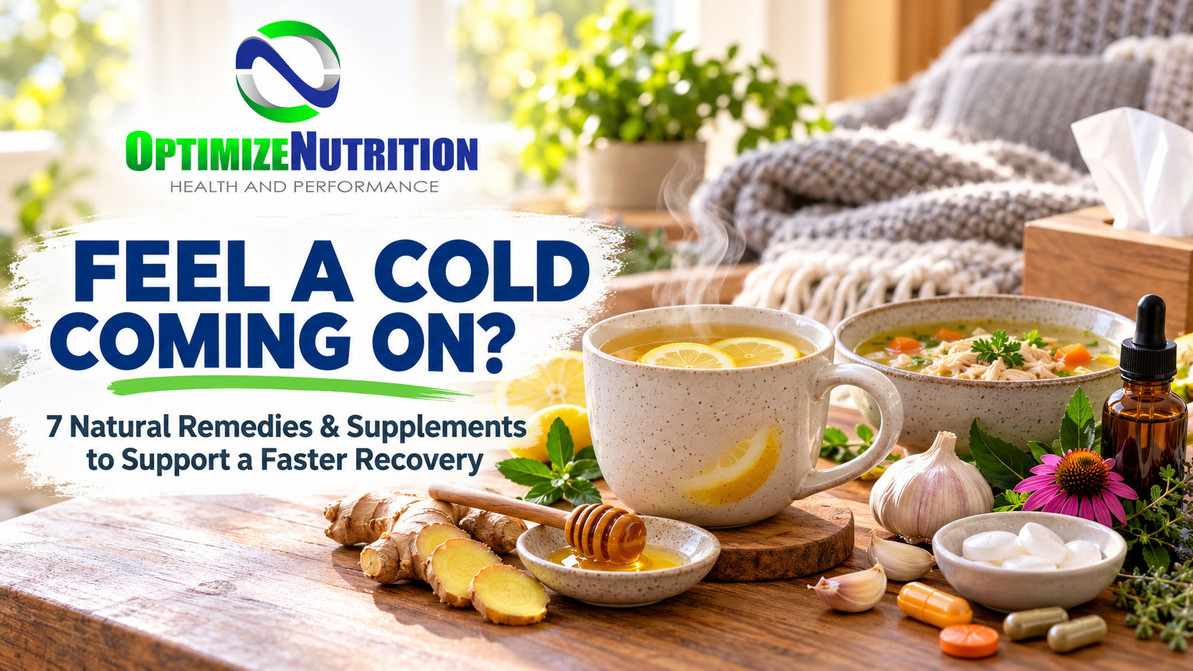
Feel a Cold Coming On? 7 Natural Remedies & Supplements to Support a Faster Recovery
It usually starts with a familiar feeling: a scratchy throat, a little congestion, unusual fatigue, or that unmistakable sense that you're about to get sick.
While there's no guaranteed way to stop a cold once it starts, what you do during the first 24–48 hours may help ease symptoms, support your immune system, and potentially shorten your recovery.
From traditional home remedies to supplements backed by scientific research, here are seven practical ways to support your body when you feel a cold coming on.
1. Consider Zinc at the First Sign of Symptoms
Zinc is one of the more promising supplements for shortening the common cold, particularly when taken shortly after symptoms begin.
Zinc is essential for immune-cell development and function. It also plays a role in protecting cells from oxidative stress and maintaining healthy mucous membranes.
A 2024 Cochrane review found that zinc supplementation may shorten the duration of a cold by approximately two days on average. However, the certainty of the evidence was low, and results varied considerably between studies.
Timing and supplement form matter. Much of the positive research involves zinc acetate or zinc gluconate lozenges started within 24 hours of symptom onset. These aren't necessarily interchangeable with regular zinc capsules or tablets.
Optimize Nutrition recommendation:
Zinc supplements can help maintain adequate zinc intake and support normal immune function. For short-term cold management, ask about suitable lozenge formulations and follow the product's recommended directions.
Important: High-dose zinc can cause nausea, interfere with certain medications, and contribute to copper deficiency when used excessively. Intranasal zinc products should be avoided because of the risk of loss of smell.
2. Try Echinacea — A Traditional Herbal Remedy
Echinacea has been used in traditional herbal medicine for generations, particularly during cold and flu season.
It contains naturally occurring compounds, including alkamides, polysaccharides, and phenolic compounds, that have been studied for their interactions with immune signalling pathways.
Research into echinacea for the common cold has produced mixed results. Some studies suggest certain preparations may modestly improve symptoms, while others show little or no benefit.
One important detail is that not all echinacea products are identical. Different species, plant parts, concentrations, and extraction methods can significantly influence their composition.
Optimize Nutrition product pick:
St. Francis Echinacea Goldenseal Tincture 50 ml
This Canadian-made formula combines echinacea with goldenseal, two herbs traditionally used for upper respiratory wellness.
Echinacea is traditionally used in herbal medicine to help relieve symptoms of upper respiratory tract infections and sore throats.
Goldenseal can interact with medications and is not appropriate during pregnancy or breastfeeding. Follow the label directions and consult a healthcare practitioner where appropriate.
3. Soothe Your Throat With Honey, Ginger & Warm Liquids
Sometimes the simplest remedies provide the most immediate comfort.
A warm drink containing honey, fresh ginger, and lemon can be particularly soothing when you're developing a sore throat or cough.
Why these ingredients?
-
Honey: Helps coat and soothe an irritated throat. Research suggests honey may reduce cough frequency and severity, particularly in children over one year of age.
-
Ginger: Contains gingerols and other plant compounds with antioxidant and anti-inflammatory properties. Although these compounds have been studied experimentally, ginger hasn't been proven to shorten a cold.
-
Lemon: Provides flavour and some vitamin C while encouraging fluid intake.
-
Warm water: Can temporarily soothe throat discomfort and help keep you hydrated.
Simple Honey & Ginger Tea
Ingredients:
-
1 cup hot water
-
3–4 slices of fresh ginger
-
1 tablespoon honey
-
Juice from half a lemon
Instructions:
Steep the ginger in hot water for 5–10 minutes. Allow it to cool slightly before adding honey and lemon.
Sip slowly as needed for throat comfort.
Note: Never give honey to children younger than 12 months.
4. Support Your Immune System With Vitamin C — But Understand Its Limits
Vitamin C is probably the most recognized nutrient associated with immune health.
It supports the normal function of immune cells, contributes to antioxidant protection, and helps maintain healthy tissues.
Clinical studies indicate that regular vitamin C supplementation may modestly shorten cold duration, but starting high-dose vitamin C only after symptoms appear has generally not demonstrated a meaningful benefit.
That doesn't mean vitamin C is unimportant. Maintaining adequate intake remains essential for healthy immune function.
Optimize Nutrition product picks:
Natural Factors Liposomal Vitamin C 1000 mg — 90 Softgels
A convenient vitamin C supplement designed for daily antioxidant and immune support.
SUKU Vitamins Vitamin C — 60 Gummies
A convenient, sugar-free gummy option for daily vitamin C supplementation.
Dietary tip: Include vitamin C-rich foods such as kiwi, oranges, strawberries, broccoli, and bell peppers. Whole foods provide additional fibre, minerals, and beneficial plant compounds.
Mega-dosing vitamin C is not necessary and can cause digestive discomfort.
5. Eat Nourishing Foods Instead of Skipping Meals
When you're feeling sick, appetite often decreases. However, your immune system still requires energy, protein, and essential nutrients to function normally.
Rather than forcing large meals, focus on simple, nourishing foods that are easy to tolerate.
Homemade Chicken Soup
There's a reason chicken soup has remained a traditional cold remedy for generations.
A warm bowl provides fluids, sodium, protein, and energy while potentially helping temporarily relieve nasal congestion and throat discomfort.
For additional nutritional value, include:
-
Garlic and onions: Contain sulfur compounds and plant antioxidants.
-
Carrots and leafy greens: Supply carotenoids, folate, and other micronutrients.
-
Ginger and turmeric: Add flavour and beneficial phytochemicals.
-
Chicken or legumes: Provide protein needed for normal immune function.
-
Broth: Helps replace fluids and electrolytes, especially when appetite is low.
Garlic, ginger, and turmeric have interesting laboratory research behind them, but they have not been convincingly shown to eliminate cold viruses in humans.
The greatest benefit of soup may simply be that it's warm, hydrating, nutritious, and easy to eat.
6. Relieve Congestion With Saline, Steam & Hydration
A stuffy nose, sinus pressure, and irritated nasal passages can make even a mild cold uncomfortable.
Fortunately, a few simple approaches may provide fairly quick symptom relief.
Saline nasal sprays or rinses: These help loosen mucus and clear nasal passages. Evidence suggests saline irrigation may improve some upper respiratory symptoms.
Warm showers: Humid air can temporarily improve comfort and help loosen nasal secretions. Avoid inhaling steam directly over boiling water because of the risk of burns.
Hydration: Water, herbal teas, broths, and electrolyte-containing beverages can help maintain fluid balance, especially when fever, sweating, or poor appetite are present.
Optimize Nutrition product option:
Schinoussa E5 Electrolyte
An electrolyte beverage that can help support hydration when regular fluid intake is more difficult.
Electrolytes do not fight cold viruses directly, and most people with an uncomplicated cold can hydrate adequately with ordinary fluids.
Safety tip: Use distilled, sterile, or previously boiled and cooled water for nasal rinsing. Never use untreated tap water.
7. Prioritize Sleep & Give Your Body Time to Recover
Sleep is one of the most overlooked components of immune health.
During sleep, the body coordinates processes involved in immune regulation, tissue maintenance, and recovery.
Research has associated inadequate sleep with increased susceptibility to respiratory infections. Although getting extra sleep after symptoms start isn't proven to stop a cold, adequate rest helps maintain normal immune function and can make symptoms easier to manage.
When you feel a cold coming on:
-
Aim for 7–9 hours of sleep if you're an adult, allowing additional rest when needed.
-
Temporarily reduce intense exercise if you're feeling fatigued or feverish.
-
Avoid excessive alcohol, which can interfere with sleep and hydration.
-
Maintain comfortable room humidity and ventilation.
-
Avoid pushing through significant fatigue simply to maintain your normal routine.
Gentle movement may be comfortable during a mild cold, but strenuous training should wait if you have fever, body aches, chest symptoms, or substantial fatigue.
Other Natural Remedies That May Help
Beyond zinc, vitamin C, and echinacea, several traditional herbs and natural supplements may offer additional support when cold symptoms first appear. Many have been used in holistic medicine for generations and contain naturally occurring compounds that support immune function, respiratory comfort, or the body's inflammatory response.
Here are a few popular options worth considering:
-
Elderberry: Rich in anthocyanins and antioxidant compounds, elderberry has traditionally been used for immune and respiratory support. Some preliminary human studies suggest it may help reduce the duration or severity of certain respiratory symptoms.
-
Oil of Oregano: Contains carvacrol and thymol, two compounds known for their antimicrobial properties in laboratory research. Traditionally used for respiratory and immune support, although human evidence for treating colds remains limited. Choose products specifically formulated for oral use.
-
Garlic: Contains sulfur-containing compounds, including allicin, that have been studied for their potential immune-supporting and antimicrobial properties. Fresh garlic or aged garlic supplements can be incorporated into a daily wellness routine.
-
Olive Leaf Extract: Contains oleuropein, a polyphenol studied for its antioxidant and antimicrobial activity. Commonly used in herbal wellness practices to support immune health.
-
Andrographis: A traditional Ayurvedic herb with some promising clinical research suggesting that certain standardized extracts may help relieve common cold symptoms, including sore throat and nasal discomfort.
-
Propolis: A resinous substance produced by bees containing flavonoids and other plant compounds. Traditionally used to soothe irritated throats and support upper respiratory comfort. Avoid if allergic to bee products.
-
Vitamin D3: Essential for healthy immune function, particularly in Canada, where sufficient vitamin D production from sunlight is unreliable throughout much of the year. Maintaining adequate levels supports normal immune responses, although taking extra vitamin D at the onset of a cold has not been shown to provide immediate relief.
-
Medicinal Mushrooms: Turkey tail, reishi, and chaga contain beta-glucans and other bioactive compounds studied for their effects on immune signalling. They are popular for general immune support, although evidence for treating an active cold remains limited.
Holistic tip: These remedies can complement the fundamentals of recovery — adequate sleep, hydration, nutritious food, and rest. Choose supplements based on individual needs rather than combining numerous products at once, and follow their recommended directions. Some botanicals may interact with medications or be unsuitable during pregnancy or for certain medical conditions.
A Quick Guide: What to Do During the First 24 Hours
When you notice the earliest signs of a cold, a practical plan might look like this:
| Priority | What to Do |
|---|---|
| First symptoms | Rest, hydrate, and consider whether an appropriate zinc lozenge is suitable |
| Scratchy throat | Warm honey and ginger tea or a saltwater gargle |
| Nasal congestion | Saline nasal spray or rinse |
| Low appetite | Chicken soup, broth, fruit, and easily tolerated protein |
| Supplement support | Maintain adequate vitamin C, zinc, and vitamin D intake; consider herbal products according to their indications |
| Evening | Reduce demanding activities and prioritize a full night's sleep |
Don't overlook the possibility of flu or COVID-19. Fever, marked body aches, severe fatigue, or a sudden onset of symptoms can suggest an illness other than a routine cold. People at higher risk of complications should seek medical advice promptly because prescription antivirals for influenza or COVID-19 are most useful when started early.
Seek urgent medical assessment for difficulty breathing, chest pain, dehydration, confusion, or significant worsening. Also seek advice if symptoms are prolonged or improve and then worsen again.
The Bottom Line: Support Your Body Early
There may not be a magic supplement that stops a cold overnight, but taking action at the first sign of symptoms can make the experience more manageable.
Zinc lozenges have some of the more promising evidence for potentially shortening a cold, while honey, saline rinses, warm liquids, and adequate rest can help relieve symptoms and support recovery.
Traditional remedies such as echinacea, elderberry, garlic, ginger, and andrographis can also be part of a holistic wellness routine, providing additional options for those interested in natural approaches to seasonal wellness.
At Optimize Nutrition, you'll find a range of vitamins, minerals, and herbal products to support everyday immune health and seasonal wellness.
Visit our Nanaimo store or browse our online selection to find options suited to your needs.
Recent Posts
-

Feel a Cold Coming On? 7 Natural Remedies & Supplements to Support a Faster Recovery
It usually starts with a familiar feeling: a scratchy throat, a little congestion, unusual fatigue, …Oct 20, 2026 -

Why You're Always Tired: Common Nutrient Deficiencies and What to Test
Feeling exhausted even after a full night's sleep? Struggling with brain fog, low motivation, or tha …Oct 16, 2026 -

How to Lower Cholesterol Naturally: What Holistic Health Practitioners Have Known for Years
For decades, cholesterol advice focused heavily on avoiding eggs, limiting dietary cholesterol, and …Oct 15, 2026