
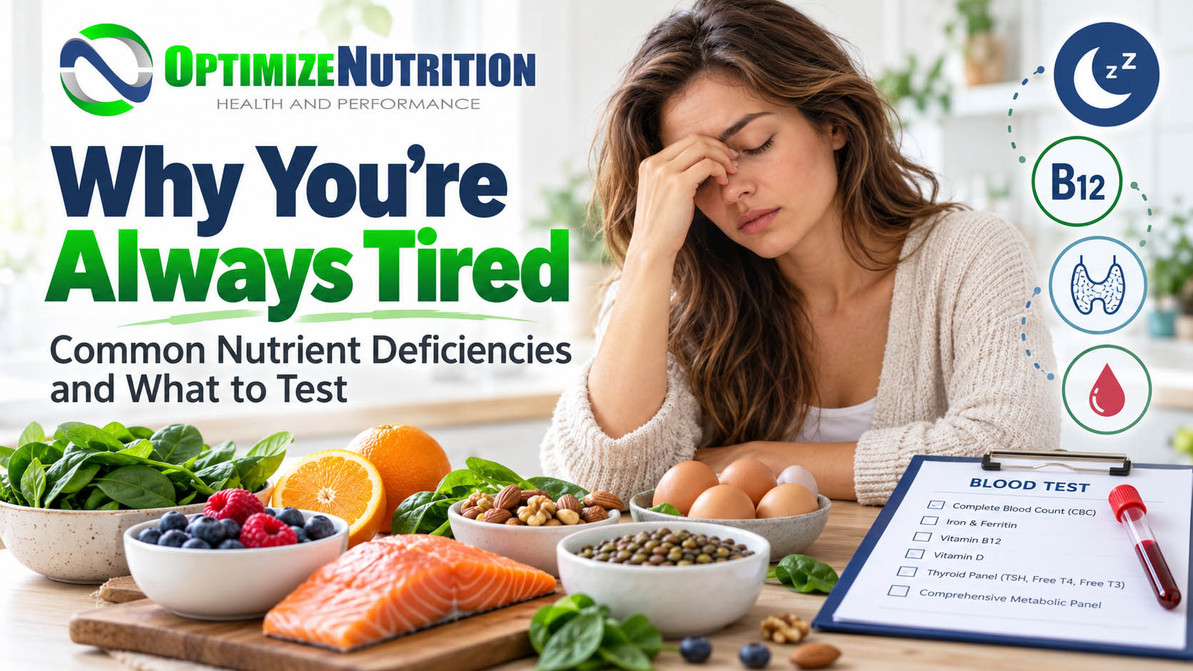
Why You're Always Tired: Common Nutrient Deficiencies and What to Test
Feeling exhausted even after a full night's sleep? Struggling with brain fog, low motivation, or that mid-afternoon energy crash? The answer might be more complicated than simply needing another coffee.
Persistent fatigue is one of the most common health complaints, yet determining its cause isn't always straightforward.
While stress and busy schedules are often blamed, ongoing fatigue can also be linked to iron deficiency, low vitamin B12, thyroid dysfunction, inadequate nutrition, poor sleep quality, or underlying medical conditions.
The important distinction? Feeling tired doesn't automatically mean you're deficient in a vitamin or mineral.
Understanding what your body needs, recognizing potential warning signs, and knowing which tests are worth discussing with your healthcare provider can help you avoid unnecessary supplements and address the actual problem.
Why Am I Always Tired Even When I Get Enough Sleep?
There's a difference between feeling sleepy and experiencing true fatigue.
Sleepiness is the tendency to fall asleep, usually because of inadequate or disrupted sleep.
Fatigue is a persistent feeling of physical or mental exhaustion that can occur even when you've had enough time in bed.
Some people experience both.
Common contributors include:
-
Inadequate sleep or disrupted sleep cycles
-
Iron deficiency, with or without anemia
-
Vitamin B12 deficiency
-
Thyroid dysfunction, particularly hypothyroidism
-
Inadequate calorie, carbohydrate, or protein intake
-
High stress levels and mental health conditions
-
Medication side effects
-
Sleep apnea and other sleep disorders
-
Diabetes, chronic inflammatory conditions, or lingering effects of infections
Sometimes several factors overlap.
For example, someone might have slightly low iron stores, irregular sleep patterns, and a demanding exercise routine. Addressing only one factor may not fully resolve their symptoms.
This is why a comprehensive approach often makes more sense than immediately reaching for an energy supplement.
1. Iron Deficiency: One of the First Things Worth Investigating
Iron deficiency is among the most important nutritional causes of fatigue.
Iron is required to produce hemoglobin, the protein in red blood cells that transports oxygen throughout the body. It's also involved in muscle function and cellular energy production.
When iron stores become depleted, symptoms can develop even before someone meets the criteria for iron-deficiency anemia.
Common Signs of Low Iron
-
Persistent fatigue or reduced stamina
-
Shortness of breath during normal activities
-
Headaches or dizziness
-
Difficulty concentrating
-
Feeling unusually cold
-
Restless legs
-
Reduced exercise performance
Iron deficiency is particularly relevant for menstruating women, endurance athletes, pregnant individuals, frequent blood donors, and people with certain digestive conditions.
What Tests Should You Ask About?
Complete Blood Count (CBC): Evaluates hemoglobin, red blood cells, and other blood measurements to identify anemia.
Ferritin: Helps estimate the body's stored iron. Low ferritin can indicate iron deficiency before anemia develops.
Transferrin Saturation (TSAT): May help assess available iron, particularly when ferritin results are difficult to interpret.
Ferritin can also increase in response to inflammation, which means normal or elevated results don't always exclude iron deficiency.
What About Iron Supplements?
Iron supplementation can be effective when iron deficiency has been identified.
However, taking iron without confirming a need is not recommended. Excess iron can be harmful, and unexplained iron deficiency may indicate blood loss or an absorption problem requiring further evaluation.
Food sources include red meat, shellfish, lentils, beans, tofu, and fortified cereals. Pairing plant-based iron sources with vitamin C can improve absorption.
Optimize Nutrition Product Pick
New Roots Heme Iron 30 Capsules
Provides heme iron along with vitamin C, folate, and vitamin B12. An option for individuals with confirmed iron deficiency who have been advised to supplement.
2. Vitamin B12 Deficiency: Fatigue, Brain Fog, and Nervous System Health
Vitamin B12 plays an essential role in red blood cell production, DNA synthesis, and normal nervous system function.
Inadequate B12 can contribute to fatigue, weakness, poor concentration, and neurological symptoms.
Unlike some nutritional deficiencies, B12 deficiency can take years to develop because the body maintains significant stores.
Signs of Low Vitamin B12
-
Ongoing tiredness or weakness
-
Difficulty concentrating or memory changes
-
Numbness or tingling in the hands and feet
-
Balance difficulties
-
A sore or inflamed tongue
-
Anemia in some cases
Importantly, neurological symptoms can occur even without anemia.
Who Is at Greater Risk?
Vitamin B12 deficiency is more likely in individuals who:
-
Follow vegan or predominantly plant-based diets without reliable B12 sources
-
Are older adults with reduced nutrient absorption
-
Have digestive conditions affecting absorption
-
Have undergone certain gastrointestinal surgeries
-
Take medications such as metformin or long-term acid-suppressing medications
What Should You Test?
A serum vitamin B12 test is typically the starting point.
If results are borderline, a healthcare provider may recommend methylmalonic acid (MMA) testing to clarify whether a functional deficiency is present.
Does Taking Extra B12 Increase Energy?
This is a common misconception.
B12 is essential for normal energy metabolism, but taking more than your body requires doesn't necessarily create extra energy.
Supplementation is most useful when correcting a deficiency or preventing one in people with inadequate intake or absorption.
Optimize Nutrition Product Pick
Natural Factors Vitamin B12 Methylcobalamin 1000mcg — 90 Tablets
A convenient sublingual B12 supplement that supports normal red blood cell formation and nervous system function.
Methylcobalamin is an effective form of B12, although it hasn't been consistently shown to outperform other standard B12 forms for everyone. Some absorption disorders require individualized medical treatment.
3. Thyroid Dysfunction: When Your Metabolism Slows Down
The thyroid gland produces hormones that help regulate metabolism, body temperature, cardiovascular function, and energy expenditure.
When the thyroid doesn't produce enough hormone, a condition known as hypothyroidism, many biological processes slow down.
Fatigue is one of its most common symptoms.
Possible Signs of an Underactive Thyroid
-
Persistent tiredness
-
Feeling cold more easily
-
Unexplained weight gain
-
Constipation
-
Dry skin or thinning hair
-
Slower thinking or concentration difficulties
-
Menstrual changes
These symptoms are not specific to thyroid disease, which is why blood testing is important.
What Thyroid Tests Are Useful?
TSH (Thyroid-Stimulating Hormone): Usually the initial screening test for thyroid dysfunction.
Free T4: Helps evaluate circulating thyroid hormone levels, particularly when TSH is abnormal or the clinical situation warrants it.
Thyroid Antibodies: May be considered when autoimmune thyroid disease, such as Hashimoto's thyroiditis, is suspected.
Can Supplements Fix a Sluggish Thyroid?
Not necessarily.
Iodine and selenium are necessary for normal thyroid hormone function, but that doesn't mean taking large doses improves thyroid function in someone who already has adequate levels.
In fact, excessive iodine can worsen certain thyroid conditions.
Likewise, symptoms alone cannot establish that someone has a "slow thyroid."
The best approach is appropriate thyroid testing before using thyroid-support supplements.
When hypothyroidism is confirmed, treatment typically involves prescribed thyroid hormone replacement rather than nutritional supplements alone.
4. Vitamin D: Especially Relevant for Canadians
Vitamin D is best known for its role in calcium absorption and bone health, but it also contributes to normal muscle and immune function.
Low vitamin D status may be associated with fatigue, muscle weakness, and generalized discomfort, particularly when deficiency is substantial.
However, fatigue is nonspecific, and studies do not consistently show that vitamin D supplements improve energy in people whose vitamin D levels are already adequate.
Why Canadians Should Pay Attention
Canada's northern latitude creates unique challenges for vitamin D production.
UVB radiation needed for meaningful vitamin D synthesis is limited for much of the year, particularly during winter.
Even in summer, sunscreen use, clothing, indoor lifestyles, skin pigmentation, and time spent outside influence vitamin D production.
For these reasons, sun exposure alone is not a reliable year-round vitamin D strategy for many Canadians.
Should You Get Tested?
A 25-hydroxyvitamin D blood test measures vitamin D status.
However, routine screening isn't recommended for every healthy adult. Testing is more useful when risk factors, symptoms, bone disorders, or medical conditions suggest a deficiency.
Food and Supplement Options
Vitamin D is found in fatty fish, egg yolks, fortified dairy products, and fortified plant-based beverages.
Supplementation can help individuals who are unable to consistently meet their needs through diet and sunlight.
Optimize Nutrition Product Pick
Natural Factors SunVitamin D3 2500IU — 360 Softgels
Provides 2500 IU of vitamin D3 per softgel to support vitamin D status and bone health.
This is a higher-strength product, so the appropriate dose should reflect individual needs, existing vitamin D intake, and professional advice rather than assuming everyone requires 2500 IU daily.
5. Magnesium: Important for Energy, but Not a Universal Fatigue Solution
Magnesium participates in hundreds of enzymatic reactions throughout the body, including those involved in cellular energy metabolism, muscle function, and nervous system activity.
Because magnesium plays a role in ATP-related processes, it's frequently marketed as an energy supplement.
But there's an important distinction between needing magnesium for normal energy metabolism and benefiting from taking extra magnesium.
When Might Magnesium Intake Be Inadequate?
People who consume limited quantities of vegetables, legumes, nuts, seeds, and whole grains may have inadequate dietary magnesium intake.
Certain digestive conditions, medications, and medical disorders can also contribute to magnesium depletion.
Possible symptoms of significant deficiency include muscle weakness, fatigue, cramps, and neurological disturbances.
Should You Test Magnesium?
Serum magnesium testing may be appropriate when deficiency is suspected, particularly with relevant medical conditions or medication use.
However, serum levels don't always fully reflect total body magnesium stores, and specialized magnesium testing isn't routinely necessary for uncomplicated fatigue.
Does Magnesium Help With Sleep?
Some recent clinical research suggests magnesium supplementation may provide modest improvements in sleep symptoms in certain individuals.
However, results remain mixed, and magnesium isn't an established treatment for persistent fatigue.
Optimize Nutrition Product Pick
Natural Factors Magnesium Bisglycinate 200mg — 250 Vegetarian Capsules
Provides 200mg of elemental magnesium per capsule from a buffered magnesium bisglycinate formula.
A practical option for supporting magnesium intake when dietary intake is inadequate.
Individuals with kidney disease should seek medical advice before supplementing magnesium.
6. Are You Simply Not Eating Enough?
Not every nutritional cause of fatigue is a vitamin or mineral deficiency.
In some cases, the problem is inadequate overall energy intake.
This can be particularly relevant for individuals dieting aggressively, participating in intense exercise, skipping meals, or restricting carbohydrates without replacing the calories.
Signs You Might Be Under-Fuelling
-
Poor workout performance
-
Difficulty recovering from exercise
-
Persistent hunger or unusual appetite changes
-
Irritability and poor concentration
-
Feeling cold
-
Sleep disturbances
-
Menstrual irregularities
-
Unexplained reductions in strength or endurance
The body requires adequate calories to support normal physiological processes.
Carbohydrates help supply energy for demanding exercise and contribute to replenishing muscle glycogen.
Protein supports muscle repair and maintenance, while dietary fats provide essential fatty acids and support normal physiological function.
An energy supplement cannot compensate for chronically inadequate food intake.
Try building regular meals around protein, vegetables or fruit, carbohydrate-rich foods, and healthy fats.
For active individuals who struggle to meet protein requirements, a quality protein powder may be a convenient food supplement rather than a treatment for fatigue.
7. Sleep Quality: Why Eight Hours Isn't Always Enough
You can spend eight hours in bed and still wake up exhausted.
Sleep quality matters just as much as sleep duration.
Potential problems include frequent awakenings, irregular sleep schedules, insomnia, sleep apnea, and disruption of the body's circadian rhythm.
Sleep Apnea: An Often-Overlooked Cause
Obstructive sleep apnea involves repeated narrowing or blockage of the upper airway during sleep.
These interruptions can fragment sleep and reduce sleep quality, sometimes without the person fully remembering waking.
Common signs include:
-
Loud or habitual snoring
-
Gasping or choking during sleep
-
Morning headaches
-
Excessive daytime sleepiness
-
Difficulty concentrating
-
Waking up feeling unrefreshed
A healthcare provider may recommend a sleep assessment or sleep study when symptoms suggest sleep apnea.
Lifestyle Habits That May Help
Maintain a consistent sleep schedule, get morning daylight exposure, limit caffeine later in the day, and create a cool, dark sleeping environment.
Regular physical activity can also improve sleep, but exercise timing should suit individual tolerance.
For persistent insomnia, cognitive behavioural therapy for insomnia (CBT-I) is generally recommended as a first-line treatment.
Sleep supplements may offer modest support for selected individuals, but they cannot treat sleep apnea or replace adequate sleep.
For more information, read our article on Natural Supplements for Better Sleep.
Which Blood Tests Should You Ask For if You're Always Tired?
If fatigue continues despite adequate rest and nutrition, speaking with a healthcare professional is a sensible next step.
A focused evaluation can help identify whether a nutritional deficiency, hormonal issue, medical condition, or sleep disorder is contributing.
Depending on symptoms and medical history, useful investigations may include:
| Test | What It Helps Assess |
|---|---|
| Complete Blood Count (CBC) | Anemia and changes in blood cells |
| Ferritin and iron studies | Iron stores and iron availability |
| Vitamin B12 | Possible B12 deficiency |
| TSH, with Free T4 when indicated | Thyroid function |
| HbA1c or blood glucose | Diabetes and blood sugar abnormalities |
| Kidney and liver function tests | Medical causes of fatigue |
| Vitamin D (25-OH D) | Vitamin D status when risk factors justify testing |
| Other targeted tests | Folate, inflammatory markers, celiac screening, or other investigations when clinically indicated |
This isn't a checklist everyone needs to request. Testing should be selected based on symptoms, risk factors, examination findings, and clinical judgment.
A normal blood panel also doesn't necessarily mean that the fatigue isn't real or medically important.
Persistent fatigue may involve conditions such as sleep apnea, depression, long COVID, or myalgic encephalomyelitis/chronic fatigue syndrome (ME/CFS).
In particular, fatigue accompanied by a significant worsening of symptoms after physical or mental activity deserves careful assessment. Simply recommending more exercise may be inappropriate for someone experiencing post-exertional malaise.
Supplements for Fatigue: What Actually Works?
There's a significant difference between supporting normal energy metabolism and treating fatigue.
Many supplements are marketed with phrases such as "supports cellular energy" or "boosts mitochondria." While these descriptions can refer to legitimate biological processes, they don't necessarily demonstrate that taking the product improves everyday energy levels.
Here's how to interpret some popular options:
Iron: Strong evidence for correcting iron deficiency. Not appropriate as a general energy supplement when iron status is normal.
Vitamin B12: Effective for preventing or correcting B12 deficiency. Little evidence that extra B12 boosts energy in people with adequate levels.
Vitamin D: Important for maintaining adequate vitamin D status. Fatigue benefits are inconsistent unless a relevant deficiency is present.
Magnesium: Essential for energy metabolism, with potential benefits when intake is inadequate. Not a proven general treatment for chronic fatigue.
CoQ10: Involved in mitochondrial energy production. Some small studies suggest benefits in selected fatigue-related conditions, but evidence is inconsistent and condition-specific.
Adaptogens such as ashwagandha or rhodiola: Some studies suggest modest improvements in perceived stress or fatigue, but research quality, preparations, and long-term safety vary.
The most reliable strategy is to identify what is actually contributing to the problem before choosing a supplement.
Simple Lifestyle Changes That Can Improve Daily Energy
Alongside appropriate testing and nutritional support, a few foundational habits can make a meaningful difference.
-
Eat consistently. Avoid relying on caffeine while skipping meals or severely restricting calories.
-
Include protein at meals. Combine protein with fibre-rich carbohydrates and healthy fats for balanced nutrition.
-
Prioritize sleep consistency. Aim for approximately seven to nine hours nightly as an adult, while paying attention to sleep quality.
-
Move regularly when tolerated. Walking, resistance training, and moderate cardiovascular exercise can support energy and metabolic health. People with post-exertional symptom worsening need individualized guidance rather than a fixed exercise program.
-
Stay hydrated. Even mild dehydration may affect concentration and perceived energy, particularly during physical activity or hot weather.
-
Review caffeine habits. Caffeine can temporarily improve alertness but may also disrupt sleep and perpetuate a cycle of fatigue.
-
Address ongoing stress. Psychological stress, burnout, anxiety, and depression can contribute to genuine physical and mental exhaustion.
When Should You Seek Medical Advice?
Occasional tiredness is normal, particularly during demanding periods of life.
However, persistent fatigue that interferes with work, exercise, relationships, or everyday functioning deserves attention.
Book a medical assessment if fatigue lasts several weeks, continues worsening, or occurs with unexplained weight changes, neurological symptoms, significant menstrual bleeding, or other concerning symptoms.
Seek urgent medical care for fatigue accompanied by chest pain, severe difficulty breathing, fainting, severe confusion, or other sudden serious symptoms.
Final Thoughts: Stop Guessing, Start Investigating
Feeling tired all the time isn't something you should automatically accept as normal. But it also doesn't mean your body needs a handful of new supplements.
Iron deficiency, inadequate vitamin B12, thyroid dysfunction, poor sleep, under-fuelling, and several other health conditions can all contribute to low energy.
The best approach begins with understanding your symptoms, examining your diet and lifestyle, and discussing appropriate testing with a healthcare professional.
Correcting a genuine deficiency can make a significant difference. Taking supplements without identifying a need may simply waste money or delay a proper diagnosis.
At Optimize Nutrition, we offer a selection of vitamins, minerals, protein supplements, and nutritional products to help support everyday wellness and address nutritional gaps.
The goal isn't to stimulate more energy temporarily. It's to understand what your body needs to function properly.
Recent Posts
-

Why You're Always Tired: Common Nutrient Deficiencies and What to Test
Feeling exhausted even after a full night's sleep? Struggling with brain fog, low motivation, or tha …Oct 16, 2026 -

How to Lower Cholesterol Naturally: What Holistic Health Practitioners Have Known for Years
For decades, cholesterol advice focused heavily on avoiding eggs, limiting dietary cholesterol, and …Oct 15, 2026 -

How to Beat the Winter Blues: Supplements, Lifestyle Tips & the Science Behind Seasonal Mood Changes
As the days grow shorter and temperatures drop, many Canadians notice a familiar shift: lower energy …Oct 09, 2026